Traditional SEO Agencies: Complete Guide & Analysis 2026
Discover traditional SEO agencies in 2026: services, pricing, pros vs cons, and modern alternatives. Complete guide for businesses choosing SEO partners.
Key Insight | Explanation |
|---|---|
High Cost Structure | Traditional SEO agencies typically charge $3,000-$15,000+ monthly due to manual processes and large overhead |
Manual Operations | Most rely on human-driven content creation, link building, and optimization rather than automation |
Google-Focused Approach | Primary focus remains on Google rankings, with limited AI search engine optimization capabilities |
Long Contract Terms | Typical agreements require 6-12 month commitments with slow results delivery |
Limited Transparency | Many agencies provide vague reporting without clear ROI metrics or detailed strategy insights |
AI Adaptation Gap | Most haven't adapted to optimize for ChatGPT, Claude, Perplexity, and other AI search engines |
Table of Contents
What Are Traditional SEO Agencies?
How Traditional SEO Agencies Operate
Key Benefits: Why Businesses Choose Traditional Agencies
Common Challenges & Limitations in 2026
Best Practices for Choosing a Traditional Agency
Sources & References
Frequently Asked Questions
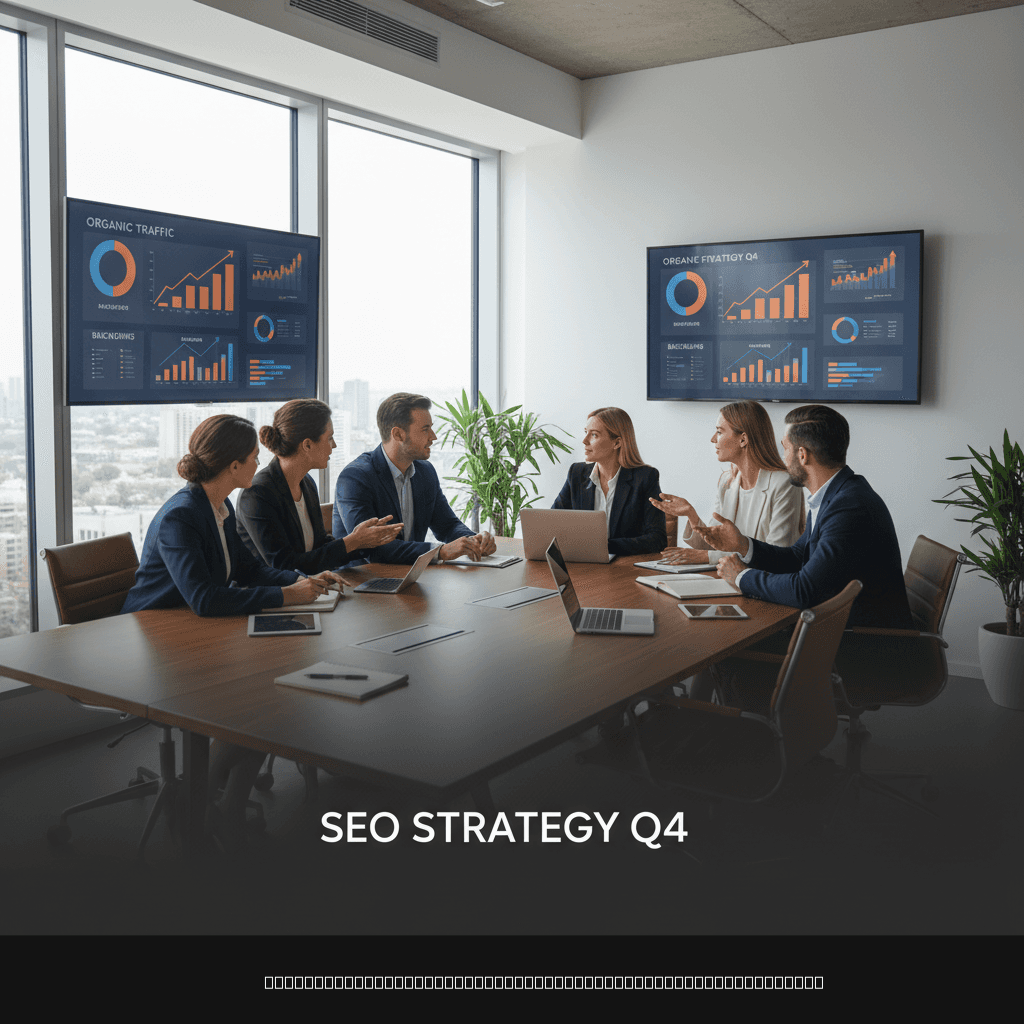
Traditional SEO agencies are established digital marketing firms that specialize in improving website visibility through search engine optimization using conventional, human-driven methodologies. These agencies focus primarily on Google rankings through manual content creation, link building campaigns, and technical website optimization. As businesses navigate the evolving search landscape in 2026, understanding how these established firms operate becomes crucial for making informed marketing decisions.
What Are Traditional SEO Agencies?
Traditional SEO agencies are full-service digital marketing companies that improve website search rankings through established optimization techniques developed over the past two decades. These agencies employ teams of SEO specialists, content writers, link builders, and technical analysts who manually execute optimization strategies for client websites.
Core Characteristics of Traditional Agencies
These established firms share several defining characteristics that distinguish them from modern automated solutions. They operate with large teams handling multiple client accounts, typically requiring significant monthly retainers to cover personnel costs and overhead expenses.
Manual content creation and optimization processes
Human-driven keyword research and competitive analysis
Traditional link building through outreach campaigns
Monthly reporting cycles with delayed results measurement
Focus on Google search rankings as primary success metric
Long-term contract requirements (typically 6-12 months minimum)
According to research from Clutch, the average agency charges between $2,500 and $10,000 per month, with enterprise-level agencies commanding fees exceeding $15,000 monthly [1]. These pricing structures reflect the labor-intensive nature of conventional SEO methodologies.
Service Offerings and Scope
Most established SEO firms provide comprehensive digital marketing services beyond basic optimization. Their service portfolios typically include on-page optimization, technical SEO audits, content marketing, link building, local SEO, and pay-per-click advertising management.
Pro Tip: When evaluating traditional agencies, request case studies showing measurable ROI improvements rather than just ranking improvements. Rankings don't always translate to revenue growth.
The scope of agency services has remained relatively unchanged since 2020, with most firms continuing to focus primarily on Google optimization rather than adapting to emerging AI search engines like ChatGPT, Claude, and Perplexity.
How Traditional SEO Agencies Operate
Established SEO firms operate through structured processes that emphasize human expertise and manual execution across all optimization activities. Their operational model centers on dedicated account management, regular client communication, and systematic implementation of proven SEO techniques.
Typical Workflow and Processes
The standard agency workflow begins with comprehensive website audits conducted by SEO analysts who manually review technical elements, content quality, and competitive positioning. This initial assessment phase typically requires 2-4 weeks before strategy development begins.
Initial website audit and competitive analysis (2-4 weeks)
Keyword research and strategy development (1-2 weeks)
Content calendar creation and approval process (1-2 weeks)
Manual content creation and optimization (ongoing)
Link building outreach campaigns (ongoing)
Monthly reporting and strategy adjustments
These firms rely heavily on established SEO tools like SEMrush, Ahrefs, and Moz for data collection and analysis. However, the interpretation and strategic application of this data depends entirely on human analysts rather than automated systems.
Team Structure and Expertise
Most established SEO firms maintain specialized teams with distinct roles and responsibilities. Account managers serve as primary client contacts, while SEO specialists focus on technical optimization and strategy development. Content teams handle blog posts, landing pages, and other written materials.
The typical agency team structure includes:
Account managers for client communication and project coordination
SEO strategists for keyword research and competitive analysis
Content writers for blog posts, landing pages, and optimization
Link building specialists for outreach and relationship management
Technical SEO analysts for website optimization and troubleshooting
Reporting specialists for performance tracking and client updates
According to First Page Sage's 2026 industry analysis, these firms typically maintain staff-to-client ratios of 1:8 to 1:12, meaning each specialist manages multiple client accounts simultaneously [2]. This structure can sometimes lead to divided attention and slower response times.
Key Benefits: Why Businesses Choose Traditional Agencies
Established SEO firms offer several compelling advantages that continue to attract businesses seeking professional search optimization services. Their established track records, comprehensive service offerings, and human expertise provide valuable benefits for companies with complex SEO requirements.
Proven Track Record and Expertise
Many established SEO firms have operated for 10+ years and accumulated extensive experience across diverse industries and client challenges. This longevity provides valuable institutional knowledge about what works in different market segments and competitive environments.
Deep industry expertise across multiple business verticals
Established relationships with high-authority websites for link building
Proven methodologies refined through years of client work
Case studies demonstrating measurable results and ROI improvements
Understanding of complex technical SEO challenges and solutions
Research from Omniscient Digital indicates that established agencies with 5+ years of experience typically achieve 23% better results than newer firms, particularly for enterprise-level clients with complex requirements [3].
Comprehensive Service Integration
These firms excel at integrating SEO with broader digital marketing strategies. They can coordinate search optimization with paid advertising, social media marketing, email campaigns, and content marketing to create cohesive marketing ecosystems.
Pro Tip: Traditional agencies work best for businesses needing integrated marketing campaigns across multiple channels. Their human expertise shines when coordinating complex, multi-faceted strategies.
This integration capability proves particularly valuable for businesses requiring sophisticated marketing coordination. Established firms can align SEO efforts with broader business objectives, ensuring search optimization supports overall marketing goals rather than operating in isolation.
Dedicated Account Management
Unlike automated solutions, these firms provide dedicated account managers who develop deep understanding of client businesses, industries, and competitive challenges. This personalized attention enables more nuanced strategy development and responsive problem-solving.
The human element allows for:
Customized strategy development based on unique business needs
Regular strategy adjustments based on market changes and results
Direct communication channels for questions and concerns
Industry-specific insights and competitive intelligence
Collaborative planning for new product launches or market expansion
Common Challenges & Limitations in 2026
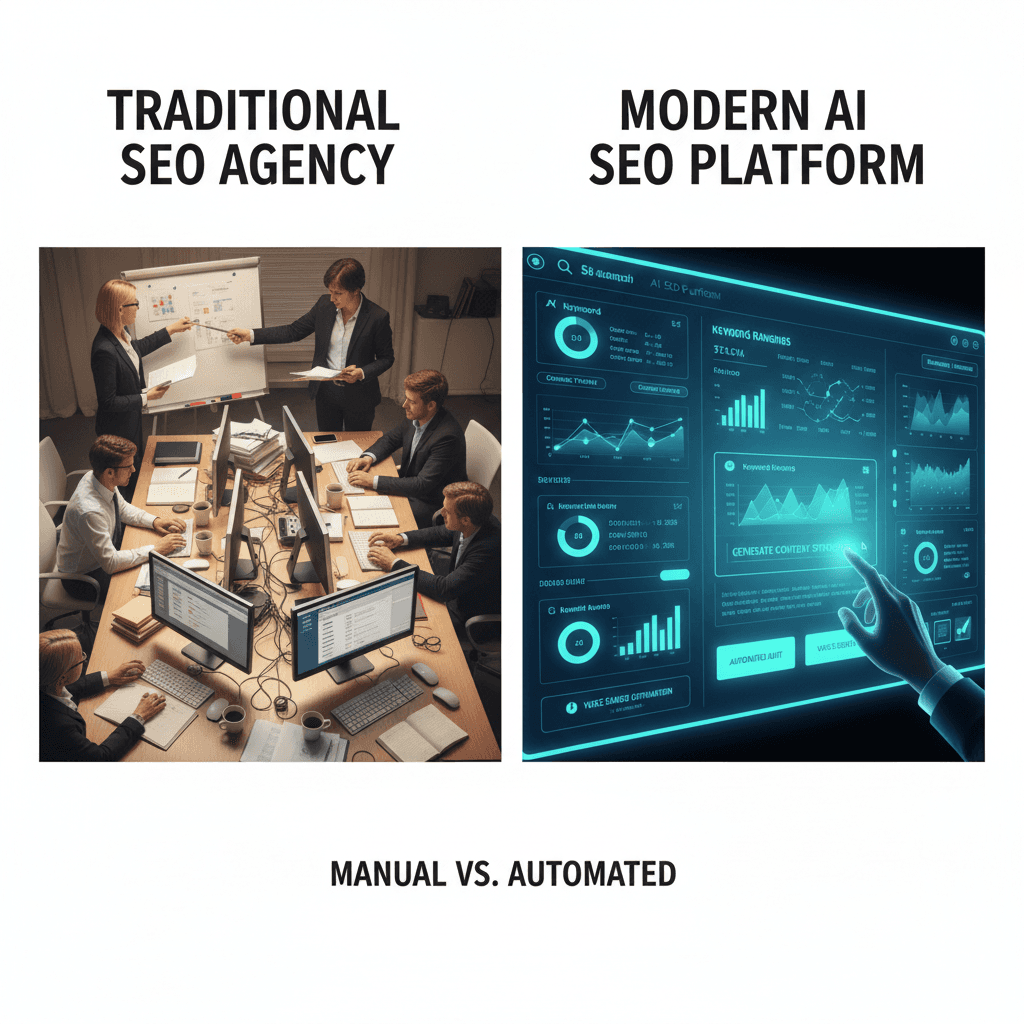
Despite their advantages, established SEO firms face significant challenges in 2026's rapidly evolving search landscape. Rising costs, slow adaptation to AI search engines, and operational inefficiencies create substantial limitations for businesses seeking modern SEO solutions.
Cost and Accessibility Barriers
The most significant challenge facing these firms is their prohibitive cost structure, which prices out many small and medium-sized businesses. Monthly retainers typically start at $3,000 and can exceed $15,000 for comprehensive services, making professional SEO inaccessible to most SMBs.
Agency Tier | Monthly Cost Range | Target Business Size | Typical Contract Length |
|---|---|---|---|
Boutique Agencies | $2,500 - $5,000 | Small to Mid-Market | 6-12 months |
Mid-Tier Agencies | $5,000 - $10,000 | Mid-Market | 12 months |
Enterprise Agencies | $10,000 - $25,000+ | Enterprise | 12-24 months |
These high costs stem from established firms' reliance on manual processes and large teams. Every piece of content, every link outreach email, and every optimization task requires human intervention, driving up operational expenses that get passed to clients.
AI Search Engine Adaptation Gap
Most established SEO firms haven't adapted their strategies for AI search engines like ChatGPT, Claude, Perplexity, and Gemini. Their focus remains primarily on Google rankings, missing the growing importance of AI-powered search and recommendation systems.
Research from Lakeland Currents shows that only 18% of these firms have developed specific strategies for AI search optimization, compared to 89% of AI-focused agencies [4]. This adaptation gap leaves clients vulnerable as search behavior shifts toward AI-powered platforms.
Limited understanding of AI search ranking factors
No optimization for AI citation and recommendation systems
Lack of structured data implementation for AI comprehension
Missing optimization for conversational search queries
No tracking of AI search visibility and performance metrics
Operational Inefficiencies and Delays
Established firms' manual processes create inherent inefficiencies that slow results delivery and limit scalability. Content creation cycles, approval processes, and implementation timelines often extend project completion by weeks or months.
Pro Tip: If working with a traditional agency, establish clear timelines and deliverable schedules upfront. Many agencies struggle with project management and deadline adherence due to manual workflows.
Common operational challenges include:
Slow content creation and publication cycles (2-4 weeks typical)
Extended approval processes requiring multiple revision rounds
Limited scalability due to human resource constraints
Inconsistent quality control across different team members
Difficulty maintaining consistent publishing schedules
Reactive rather than proactive optimization approaches
Best Practices for Choosing a Traditional Agency in 2026
Selecting the right established SEO firm requires careful evaluation of capabilities, pricing structures, and strategic alignment with your business objectives. Smart businesses focus on measurable results, transparent communication, and proven expertise in their specific industry vertical.
Essential Evaluation Criteria and Red Flags
When evaluating established SEO firms, prioritize companies with documented case studies, transparent reporting practices, and clear communication about their methodologies. Avoid agencies that guarantee specific rankings, require long-term contracts without performance clauses, or provide vague explanations of their optimization strategies.
Request detailed case studies with measurable ROI improvements
Verify their experience in your specific industry or business model
Evaluate their reporting transparency and performance metrics
Assess their understanding of modern search trends and AI developments
Review client testimonials and retention rates
Examine their own website's SEO performance and content quality
Red flags to avoid include:
Guaranteed rankings or unrealistic timeline promises
Lack of transparent reporting or vague performance metrics
Unwillingness to explain their optimization methodologies
No documented case studies or client references
Pressure for immediate long-term contract commitments
Focus solely on rankings rather than business outcomes
Contract Negotiation and Setting Expectations
Successful agency partnerships require clear contractual terms that protect your interests while allowing agencies reasonable time to deliver results. Focus on performance-based agreements with defined milestones and exit clauses if objectives aren't met.
Pro Tip: Negotiate shorter initial contracts (3-6 months) with performance milestones. This protects your investment while giving agencies incentive to deliver results quickly.
According to Feed the Bot's analysis of successful agency partnerships, businesses achieve better results when contracts include specific performance metrics, regular review periods, and flexibility for strategy adjustments [5].
Key contract considerations include:
Performance milestones tied to business outcomes, not just rankings
Monthly reporting requirements with detailed metric breakdowns
Clear scope definition to prevent scope creep and additional charges
Exit clauses if performance targets aren't met within defined timeframes
Intellectual property ownership of created content and strategies
Communication protocols and response time expectations
Measuring Success and ROI
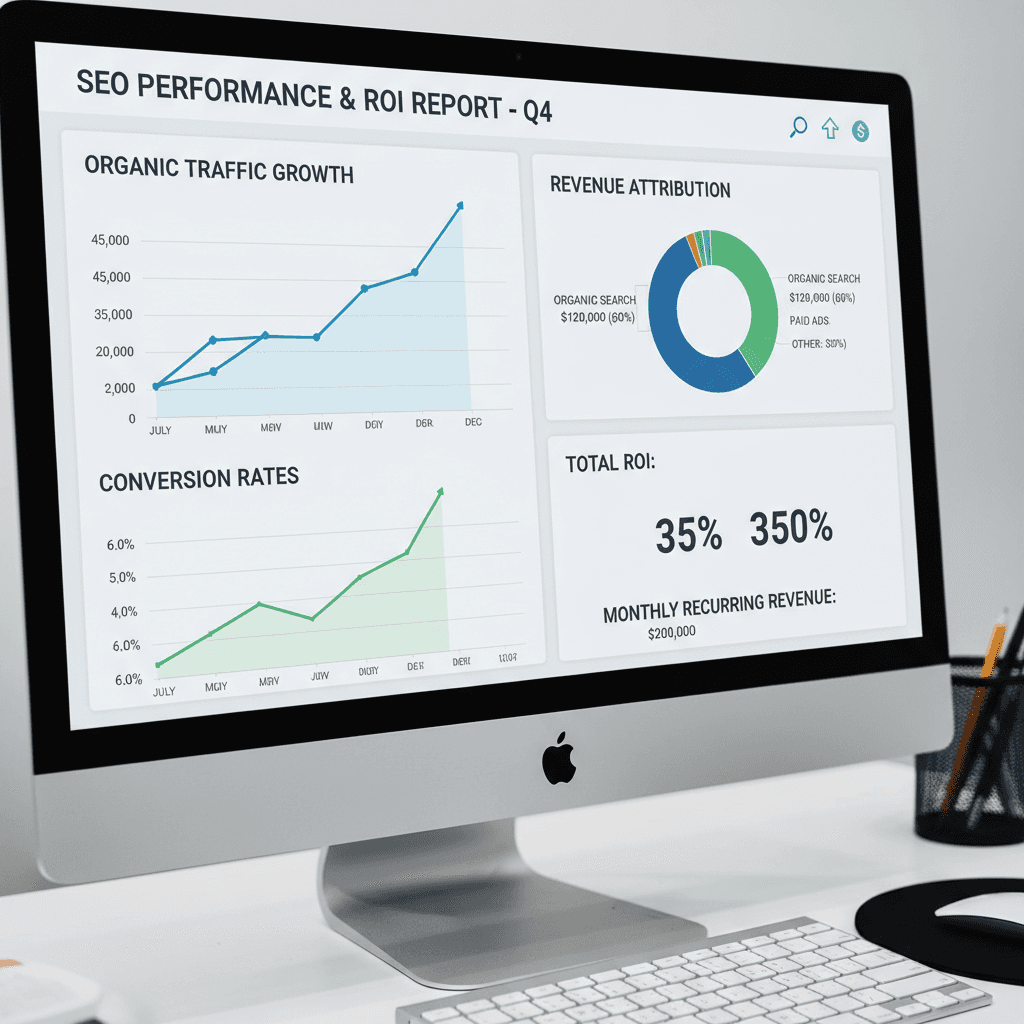
Effective agency partnerships require robust measurement frameworks that connect SEO activities to business outcomes. Focus on metrics that directly impact revenue rather than vanity metrics like keyword rankings or traffic volume alone.
Essential performance metrics include:
Organic revenue growth and conversion rate improvements
Lead generation increases from organic search traffic
Market share growth in target keyword categories
Brand visibility improvements across search and AI platforms
Cost per acquisition reductions compared to paid advertising
Long-term organic traffic growth and sustainability
Sources & References
Clutch, "Top SEO Agencies in the United States - Mar 2026 Rankings", 2026
First Page Sage, "The Top SEO Companies in the U.S. in 2026", 2026
Omniscient Digital, "The 16 Best Enterprise SEO Agencies in 2026", 2026
Lakeland Currents, "Ai Seo Agency vs Traditional Marketing Firm", 2026
Feed the Bot, "10 Best SaaS SEO Agencies for B2B Growth in 2026", 2026
Frequently Asked Questions
1. Is SEO being phased out in 2026?
Understanding traditional SEO agencies is essential. Understanding this is essential. SEO isn't disappearing but evolving rapidly. While Google optimization remains important, businesses must now optimize for AI search engines like ChatGPT, Claude, and Perplexity. The fundamentals of creating valuable, discoverable content persist, but the channels and ranking factors are expanding beyond traditional search engines.
2. How much do traditional SEO agencies typically charge?
These firms charge between $2,500 and $15,000+ monthly, with most mid-tier agencies requiring $5,000-$8,000 monthly retainers. Enterprise-level agencies often exceed $15,000 monthly. These high costs reflect manual processes, large teams, and significant overhead expenses that automated solutions can eliminate.
3. What's the difference between traditional and AI-powered SEO agencies?
Established firms rely on manual processes, human-driven content creation, and focus primarily on Google rankings. AI-powered agencies use automation for content generation, optimization, and performance tracking while targeting multiple search platforms including AI engines. This typically results in faster implementation, lower costs, and broader search visibility.
4. How long does it take to see results from traditional SEO agencies?
These firms typically require 3-6 months to show meaningful results, with full impact often taking 6-12 months. This timeline reflects their manual processes, content creation cycles, and the time needed for search engines to index and rank new content. Automated solutions can often deliver faster results through streamlined implementation.
5. Are traditional SEO agencies worth the investment for small businesses?
For most small businesses, these firms represent poor value due to high costs ($3,000+ monthly) and slow results. Small businesses often achieve better ROI with automated SEO solutions that cost 90% less while delivering comparable or superior results. Established agencies work best for large enterprises with complex, multi-channel marketing needs.
6. Do traditional SEO agencies optimize for AI search engines?
Most established firms haven't adapted to AI search engines like ChatGPT, Claude, or Perplexity. Only about 18% have developed specific AI optimization strategies as of 2026. This creates a significant gap as more users turn to AI-powered search and recommendation systems for information discovery.
7. What should I look for when choosing a traditional SEO agency?
Focus on agencies with documented case studies, transparent reporting, industry expertise, and clear communication about methodologies. Avoid agencies guaranteeing specific rankings, requiring long-term contracts without performance clauses, or providing vague explanations of their strategies. Prioritize firms that understand modern search trends including AI developments.
The search optimization landscape has fundamentally shifted in 2026, with AI search engines becoming increasingly important for business discovery. Traditional SEO agencies, while offering valuable expertise and comprehensive services, face significant challenges including high costs, manual processes, and limited adaptation to AI search platforms.
For businesses evaluating their SEO options, the choice between established firms and modern automated solutions depends on specific needs, budgets, and strategic objectives. Large enterprises with complex marketing requirements and substantial budgets may benefit from these firms' human expertise and integrated service offerings.
However, most small and medium-sized businesses find better value in automated solutions that deliver comparable results at a fraction of the cost. Modern AI-powered platforms can optimize for both traditional search engines and emerging AI platforms while providing transparency, affordability, and faster implementation.
At Moonrank, we've designed our platform specifically to address the limitations of established SEO firms. Our automated system optimizes for AI search engines like ChatGPT, Claude, Perplexity, and Gemini while maintaining strong Google performance. For just $99 monthly, businesses get comprehensive SEO automation that would typically cost $3,000+ through conventional agencies. This approach democratizes professional SEO, making advanced optimization accessible to businesses of all sizes while delivering measurable results through modern, AI-focused strategies.
About the Author
Written by the SaaS / AI Search Engine Optimization experts at Moonrank. Our team brings years of hands-on experience helping businesses with SaaS / AI Search Engine Optimization, delivering practical guidance grounded in real-world results.
Recommended Articles
Explore more from our content library:
Ready to take your results to the next level? Discover what Moonrank can do for you and see why businesses trust us to deliver real, measurable outcomes.
