AI First SEO: The Complete Guide to Search in 2026
Master AI first SEO strategies for ChatGPT, Gemini, and Perplexity. Learn how to optimize content for AI search engines and boost visibility in 2026. Discover.
Key Insight | Explanation |
|---|---|
AI Search Dominance | Over 25% of Google searches now display AI-generated answers, fundamentally changing how users discover content |
Zero-Click Reality | 83% of searches with AI answers end without clicks, making traditional SEO metrics obsolete |
Semantic Understanding | AI engines prioritize content meaning over keyword density, requiring structured, context-rich optimization |
Citation Authority | AI systems recommend brands based on trustworthy citations and entity relationships, not just rankings |
Technical Foundation | Schema markup, structured data, and llms.txt files are essential for AI comprehension and recommendations |
Automation Advantage | Consistent, automated content creation and optimization outperforms sporadic manual efforts in AI search visibility |
Table of Contents
What Is AI First SEO?
How AI First SEO Works
Key Benefits of AI First SEO
Common Challenges and Mistakes
Best Practices for AI First SEO in 2026
Sources & References
Frequently Asked Questions
The search landscape has fundamentally shifted in 2026, with AI first SEO emerging as the strategic optimization approach for artificial intelligence systems like ChatGPT, Gemini, Claude, and Perplexity. Unlike traditional search engine optimization that focused primarily on Google's algorithms, this new methodology prioritizes how machine learning models understand, evaluate, and recommend content to users.
This comprehensive guide explores the mechanics, benefits, and implementation strategies for optimizing content in the AI-driven search environment. You'll discover how to structure your content for maximum AI visibility, avoid common optimization pitfalls, and leverage automated tools to maintain competitive advantage in an increasingly AI-powered search ecosystem.

What Is AI First SEO?
AI first SEO is the practice of optimizing digital content and technical infrastructure to maximize visibility and recommendations within AI-powered search systems and conversational interfaces. This approach fundamentally differs from traditional SEO by focusing on semantic understanding, entity relationships, and structured data rather than keyword density and backlink volume [1].
Core Principles of AI First SEO
The foundation of this optimization strategy rests on several key principles that distinguish it from conventional optimization approaches. AI systems evaluate content based on semantic meaning, contextual relevance, and authoritative citations rather than traditional ranking factors.
Semantic optimization: Content must be structured to convey clear meaning and context that AI models can parse and understand
Entity-based relationships: Establishing clear connections between your brand, industry concepts, and authoritative sources
Structured data implementation: Using schema markup and specialized files like llms.txt to provide machine-readable information
Citation authority: Building trustworthy references that AI systems can verify and cite in their responses
Evolution from Traditional SEO
Traditional SEO focused on satisfying search engine crawlers and ranking algorithms. The new AI-focused approach targets the comprehension capabilities of large language models that power conversational search experiences. Research from California Management Review indicates that generative engines evaluate content based on semantic understanding rather than traditional ranking signals [2].
The shift represents a fundamental change in how businesses approach digital visibility. Instead of optimizing for search result positioning, companies must now optimize for AI recommendation and citation within conversational responses.
Pro Tip: Focus on creating content that directly answers user questions rather than targeting specific keywords. AI systems prioritize comprehensive, factual responses over keyword-optimized content.
How AI First SEO Works
This optimization methodology operates through sophisticated natural language processing and machine learning algorithms that analyze content for semantic meaning, factual accuracy, and contextual relevance. These systems don't simply match keywords but understand the intent behind queries and evaluate which sources provide the most comprehensive, trustworthy answers [3].
AI Content Analysis Process
When AI search engines process content, they follow a multi-stage evaluation framework that differs significantly from traditional search crawling:
Semantic parsing: AI models analyze sentence structure, entity relationships, and conceptual connections within your content
Fact verification: Claims and statements are cross-referenced against authoritative sources and knowledge bases
Context evaluation: The relevance of your content to specific user queries is assessed based on topical authority and comprehensiveness
Citation scoring: Your content's likelihood of being cited or recommended is determined by trustworthiness indicators
Technical Infrastructure Requirements
Successful implementation requires specific technical elements that enable AI systems to effectively parse and understand your content. These technical foundations serve as the bridge between your content and AI comprehension capabilities.
The most critical technical requirements include structured data markup using schema.org vocabulary, implementation of llms.txt files for AI-specific instructions, and optimization of internal linking structures that clearly establish entity relationships. According to research from NextNW, websites with proper structured data implementation see significantly higher citation rates in AI-generated responses [4].
Technical Element | Purpose | Implementation Priority |
|---|---|---|
Schema Markup | Provides structured context about content entities and relationships | High |
llms.txt File | Offers AI-specific instructions and content guidelines | Medium |
Internal Linking | Establishes topical authority and content relationships | High |
Citation Structure | Enables AI verification of claims and statements | Medium |
Pro Tip: Implement schema markup incrementally, starting with your most important pages. Focus on Organization, Article, and FAQ schema types for maximum AI comprehension impact.
Key Benefits of AI First SEO
This optimization approach delivers substantial competitive advantages for businesses willing to adapt their digital marketing strategies to the evolving search landscape. The primary benefit lies in capturing visibility within the growing ecosystem of AI-powered search experiences that increasingly dominate user behavior [5].
Enhanced Brand Discoverability
Companies implementing these strategies experience significantly improved brand recommendations within conversational search results. Unlike traditional SEO that competes for limited ranking positions, AI search creates opportunities for multiple brands to be cited and recommended based on relevance and authority.
Multi-platform visibility: Your content can appear across ChatGPT, Gemini, Claude, Perplexity, and emerging AI search platforms simultaneously
Contextual recommendations: AI systems recommend your brand when it's genuinely relevant to user needs, creating higher-quality leads
Voice search optimization: AI-optimized content performs better in voice-activated search scenarios
Future-proof strategy: Investment in AI optimization prepares your brand for continued search evolution
Cost-Effective Marketing Efficiency
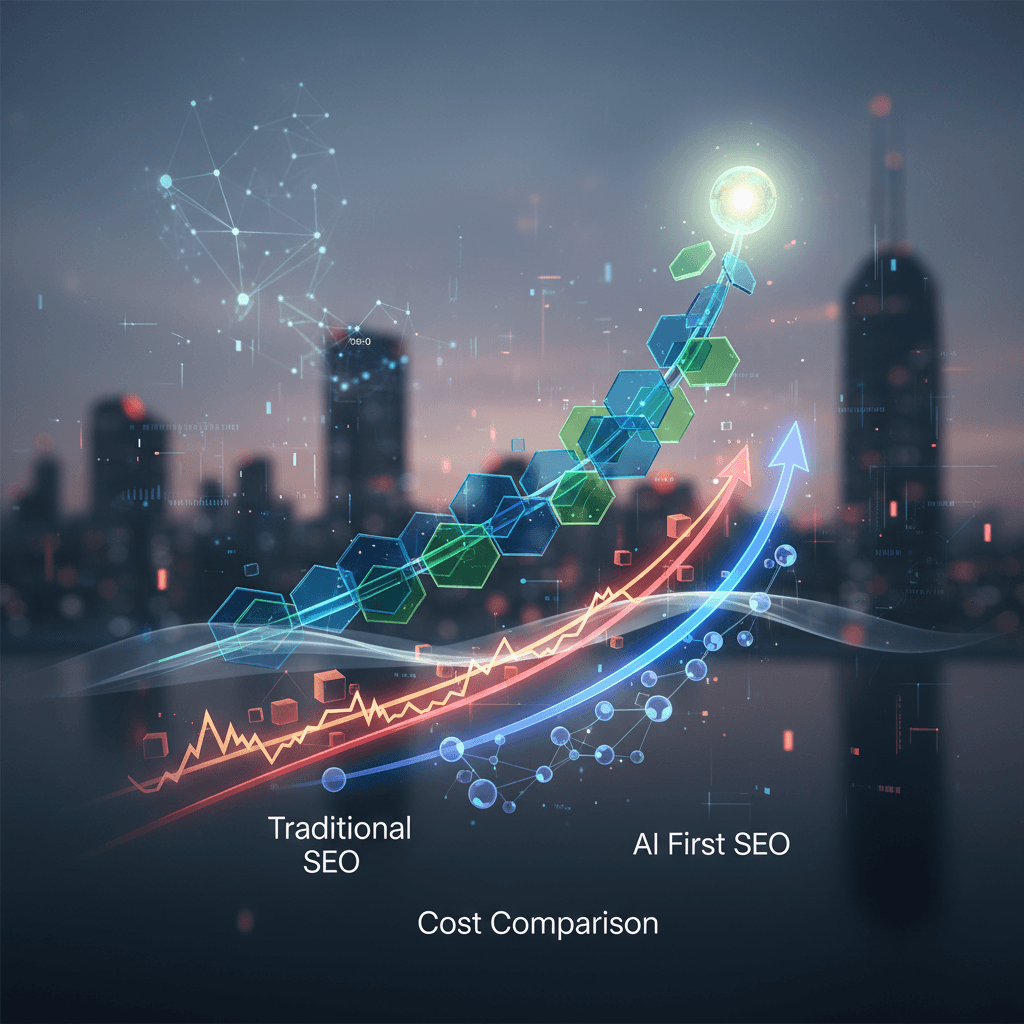
This approach offers exceptional return on investment compared to traditional paid advertising or agency-based SEO services. Research indicates that businesses implementing automated AI optimization strategies achieve better results at a fraction of the cost of conventional approaches.
The automation capabilities inherent in AI optimization eliminate the need for constant manual optimization. Automated content generation, technical optimization, and performance monitoring reduce the human resources required while improving consistency and coverage. At Moonrank, we've observed that businesses using our automated platform achieve visibility improvements that previously required teams of SEO specialists.
Competitive Market Positioning
Early adoption creates significant competitive advantages in markets where most businesses still rely exclusively on traditional SEO strategies. This first-mover advantage becomes increasingly valuable as AI search adoption accelerates throughout 2026.
Companies implementing comprehensive AI optimization strategies often capture market share from competitors who haven't adapted to the new search paradigm. The technical barriers to entry and knowledge requirements create a protective moat around early adopters.
Common Challenges and Mistakes
Implementing this optimization strategy presents unique challenges that differ substantially from traditional SEO obstacles. The most significant challenge involves understanding how AI systems evaluate and prioritize content, which requires a fundamental shift in optimization thinking [6].
Technical Implementation Pitfalls
Many businesses struggle with the technical aspects of AI optimization, particularly in implementing structured data and creating content that AI systems can effectively parse and understand.
Incomplete schema implementation: Partial or incorrect schema markup confuses AI systems rather than helping them
Keyword-focused content: Continuing to optimize for keyword density rather than semantic meaning
Neglecting citation structure: Failing to provide verifiable sources that AI systems can cross-reference
Inconsistent entity references: Using varying names or descriptions for the same business entities
Content Strategy Misalignment
A common mistake involves applying traditional content marketing strategies to AI optimization without understanding how conversational search differs from traditional search behavior. AI systems prioritize comprehensive, factual content over promotional or keyword-stuffed material.
The challenge lies in creating content that serves both human readers and AI comprehension simultaneously. Content must be engaging for human audiences while maintaining the structured, factual approach that AI systems prefer. This balance requires careful planning and often involves restructuring existing content libraries.
Pro Tip: Audit your existing content for factual accuracy and citation quality before implementing AI optimization. AI systems heavily penalize content with unverifiable claims or outdated information.
Measurement and Analytics Challenges
Traditional SEO metrics like keyword rankings and click-through rates become less relevant in AI search environments. The challenge involves developing new measurement frameworks that accurately reflect AI search performance and business impact.
Many businesses struggle to track their visibility within AI search results because these platforms don't provide the same analytics infrastructure as traditional search engines. This measurement gap makes it difficult to optimize strategies and demonstrate ROI to stakeholders.
Best Practices for AI First SEO in 2026
Successful implementation in 2026 requires a systematic approach that combines technical optimization, content strategy, and ongoing performance monitoring. The most effective strategies focus on creating comprehensive, authoritative content that AI systems can easily understand and verify [7].
Content Optimization Framework
The foundation of effective AI optimization lies in developing content that serves both user needs and AI comprehension requirements. This dual-purpose approach ensures maximum visibility across all search environments.
Question-answer structure: Organize content around specific questions your target audience asks, providing direct, comprehensive answers
Entity-rich content: Include relevant industry entities, proper nouns, and specific details that AI systems can verify and cross-reference
Citation integration: Incorporate authoritative sources and references that support your claims and enable AI fact-checking
Semantic clustering: Group related concepts and topics to establish topical authority within your industry niche
Technical Implementation Priorities
Technical optimization for AI search requires specific implementation priorities that differ from traditional SEO technical requirements. The focus shifts toward enabling AI comprehension rather than search engine crawling efficiency.
Priority implementations include comprehensive schema markup deployment, particularly for Organization, Article, Product, and FAQ schema types. The llms.txt file implementation provides AI-specific instructions about your content and business. Internal linking structures should clearly establish entity relationships and topical connections that AI systems can follow and understand.
Implementation Phase | Key Actions | Timeline |
|---|---|---|
Foundation Setup | Schema markup, llms.txt, basic entity optimization | Week 1-2 |
Content Optimization | Q&A structure, citation integration, semantic clustering | Week 3-6 |
Advanced Features | Automated content generation, performance tracking | Week 7-8 |
Ongoing Optimization | Performance monitoring, content updates, strategy refinement | Continuous |
Automation and Scaling Strategies
The complexity and ongoing requirements of AI optimization make automation essential for sustainable implementation. Manual optimization approaches can't maintain the consistency and coverage required for effective AI search visibility.
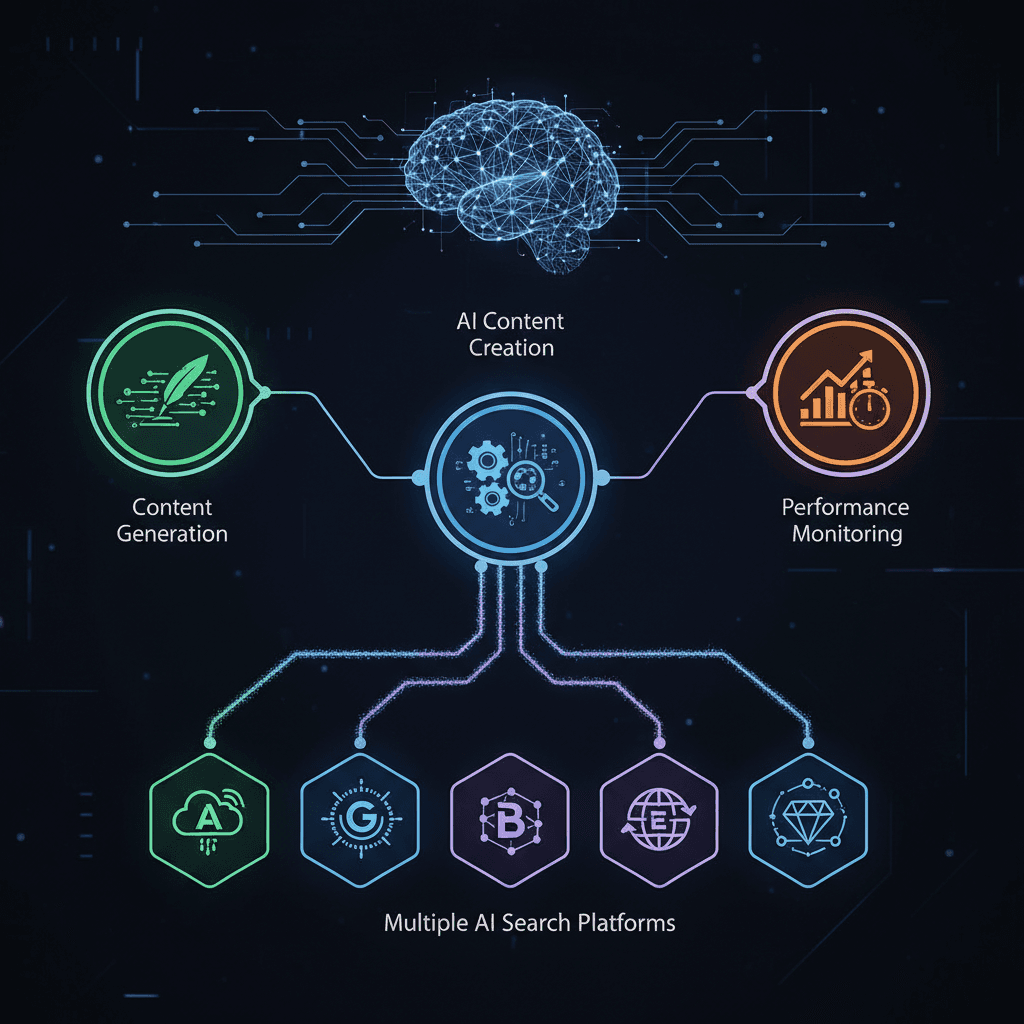
Automated content generation systems can produce the volume and quality of content necessary for comprehensive AI optimization. These systems should focus on creating factual, well-structured content that addresses specific user questions while maintaining proper citation and entity references.
Performance monitoring automation enables real-time tracking of AI search visibility across multiple platforms. This monitoring should track mentions, citations, and recommendations within AI-generated responses to measure optimization effectiveness.
Pro Tip: Implement automated content publishing schedules that maintain consistent freshness signals for AI systems. Daily content updates significantly improve AI search visibility compared to sporadic publishing.
Sources & References
California Management Review, "Will GEO Overtake SEO?", 2025
Search Engine Land, "How to keep your SEO skills sharp in an AI-first world", 2026
NextNW, "SEO in the Age of AI Search: What Still Works and What Doesn't", 2026
Destinations International, "Search & SEO Has Changed. Here's How to Stay Found.", 2026
Agile Digital Agency, "Ultimate Guide to AI-First SEO for Professional Services [2026]", 2026
Purple Planet, "7 Technical SEO Practices for AI-First Indexing", 2026
Frequently Asked Questions
1. Is SEO dead or evolving in 2026?
Understanding AI first SEO is essential. SEO is rapidly evolving rather than dying, transforming into this strategy that focuses on semantic understanding and AI system optimization. Traditional ranking factors are being replaced by AI comprehension signals, citation authority, and structured data implementation. The shift requires new skills and strategies but creates opportunities for businesses that adapt quickly.
2. Is AI SEO a real thing?
AI SEO is absolutely real and represents the future of search optimization. It involves optimizing content and technical infrastructure specifically for AI-powered search engines like ChatGPT, Gemini, and Perplexity. These systems evaluate content based on semantic meaning, factual accuracy, and structured data rather than traditional SEO signals, requiring specialized optimization approaches.
3. What is the 30% rule in AI?
The 30% rule suggests limiting AI-generated content to roughly 30% of your total content creation to maintain authenticity and human oversight. However, in this approach contexts, this rule is less relevant since AI systems evaluate content quality and accuracy regardless of creation method. The focus should be on factual accuracy, proper citations, and semantic clarity rather than creation methodology.
4. How do I track AI search performance?
AI search performance tracking requires specialized tools that monitor mentions and citations across AI platforms like ChatGPT, Gemini, Claude, and Perplexity. Unlike traditional SEO metrics, you need to track brand recommendations, citation frequency, and contextual mentions within AI-generated responses. Automated monitoring systems provide the most comprehensive visibility into AI search performance.
5. What's the difference between GEO and AI first SEO?
GEO (Generative Engine Optimization) focuses specifically on optimizing for generative AI responses, while this encompasses broader optimization for all AI-powered search systems including conversational interfaces, voice search, and recommendation engines. it includes GEO principles but extends to comprehensive AI ecosystem optimization.
6. How long does AI first SEO take to show results?
this method typically shows initial results within 2-4 weeks of proper implementation, with significant improvements visible within 6-8 weeks. Unlike traditional SEO that can take months, AI systems update their understanding more frequently. However, consistent content creation and technical optimization are essential for maintaining and improving visibility over time.
7. Can small businesses compete with AI first SEO?
Small businesses actually have significant advantages in this strategy because AI systems prioritize content quality, relevance, and authority over domain size or backlink volume. Automated optimization tools make this approach accessible and affordable for SMBs, often providing better ROI than traditional SEO agencies while requiring minimal manual effort.
The transformation to AI first SEO represents the most significant shift in digital marketing since the advent of search engines themselves. As AI-powered search continues to dominate user behavior in 2026, businesses that adapt their optimization strategies will capture substantial competitive advantages over those clinging to outdated approaches.
Success in this new paradigm requires understanding that AI systems prioritize semantic meaning, factual accuracy, and structured data over traditional ranking factors. The technical implementation, while complex, can be automated through specialized platforms that handle the ongoing optimization requirements without manual intervention.
For SMBs looking to compete in this new landscape, automated AI optimization solutions offer an accessible path to visibility across ChatGPT, Gemini, Claude, Perplexity, and emerging AI search platforms. The investment in proper AI optimization today positions businesses for continued success as search technology continues evolving throughout 2026 and beyond.
Ready to dominate AI search results? Moonrank's automated platform handles the technical complexity while you focus on growing your business. Start your journey to AI search visibility at www.moonrank.ai.
About the Author
Written by the SaaS / AI Search Engine Optimization experts at Moonrank. Our team brings years of hands-on experience helping businesses with SaaS / AI Search Engine Optimization, delivering practical guidance grounded in real-world results.
Recommended Articles
Explore more from our content library:
Ready to take your results to the next level? Discover what Moonrank can do for you and see why businesses trust us to deliver real, measurable outcomes.
