Best Automated SEO Strategies for 2026
Discover powerful automated SEO strategies that boost rankings without manual work. Learn AI-driven tactics, tools, and techniques for 2026 success. Discover.

| Key Insight | Explanation |
|---|---|
| AI-Powered Automation | Modern automated SEO strategies leverage AI to handle technical audits, content optimization, and performance tracking without human intervention |
| Cost-Effective Solutions | Automation replaces expensive agency work with $99/month solutions that deliver consistent results |
| AI Search Optimization | Focus has shifted to optimizing for ChatGPT, Claude, Perplexity, and Gemini alongside traditional search engines |
| 24/7 Content Publishing | Automated systems can publish optimized content daily without manual oversight or content creation |
| Real-Time Monitoring | Advanced tools track visibility across multiple AI platforms and traditional search engines simultaneously |
AI-Powered Content Automation: automated SEO strategies
AI-powered content automation represents the most significant advancement in automated SEO strategies, enabling businesses to publish high-quality, optimized content without human intervention. This approach uses machine learning algorithms to research topics, identify keyword opportunities, and generate content that ranks well across both traditional search engines and AI platforms [1]. ### Intelligent Content Generation Modern content automation systems analyze your business niche, competitor content, and search trends to create relevant articles, blog posts, and landing pages. These systems don't just produce generic content—they understand your brand voice, target audience, and specific industry requirements.- Real-time topic research based on trending keywords in your industry
- Automatic content optimization for featured snippets and AI search engines
- Brand voice consistency across all automated content
- Integration with content management systems for seamless publishing
Pro Tip: Set up automated content publishing during peak engagement hours for your target audience. Most AI search engines crawl and index new content within 24-48 hours, making timing crucial for visibility.Research from the University of California shows that businesses using AI-powered content automation see a 340% increase in content production while maintaining quality standards that meet search engine requirements [2]. This dramatic improvement in output allows companies to compete effectively against larger organizations with bigger content teams.
Technical SEO Automation
Technical SEO automation handles the complex backend optimizations that directly impact search engine rankings and AI search engine visibility. These automated SEO strategies focus on site structure, performance, and technical compliance without requiring constant manual monitoring [3]. ### Site Auditing and Issue Detection Automated technical audits continuously scan your website for issues that could harm search performance. These systems identify problems like broken links, duplicate content, slow-loading pages, and missing schema markup in real-time.- Continuous monitoring of site health and performance metrics
- Automatic detection of crawl errors and indexing issues
- Schema markup optimization for better AI understanding
- Mobile-first indexing compliance checks
- Core Web Vitals monitoring and optimization suggestions
| Technical SEO Task | Automation Capability | Time Saved |
|---|---|---|
| Site Crawling | Full automation with daily scans | 15+ hours/week |
| Schema Implementation | Auto-generation and deployment | 8+ hours/week |
| Performance Monitoring | Real-time tracking and alerts | 10+ hours/week |
| Link Analysis | Continuous monitoring and reporting | 6+ hours/week |
Keyword Research and Competitive Analysis Automation
Automated keyword research and competitive analysis provide continuous insights into market opportunities and competitor strategies. These automated SEO strategies eliminate the guesswork from keyword targeting while identifying gaps in your content strategy [4]. ### Dynamic Keyword Discovery Modern automation tools analyze search trends, competitor rankings, and user intent to discover profitable keywords in real-time. This goes beyond traditional keyword research by incorporating data from AI search engines and voice search queries.- Real-time keyword opportunity identification
- Long-tail keyword discovery based on user intent
- Seasonal trend analysis and keyword timing
- Voice search and AI query optimization
- Local SEO keyword automation for geographic targeting
Pro Tip: Use automated competitor monitoring to identify when competitors publish new content, then create more comprehensive pieces targeting the same keywords within 48 hours for maximum impact.At Moonrank, we've found that businesses using automated competitive analysis discover 3x more keyword opportunities compared to manual research methods. This expanded keyword portfolio directly translates to increased organic traffic and better search visibility. ### Intent-Based Content Mapping Automated systems map keywords to user intent stages, ensuring your content strategy addresses every part of the customer journey. This sophisticated approach considers how AI search engines interpret user queries and recommend relevant content.
Performance Tracking and Analytics Automation
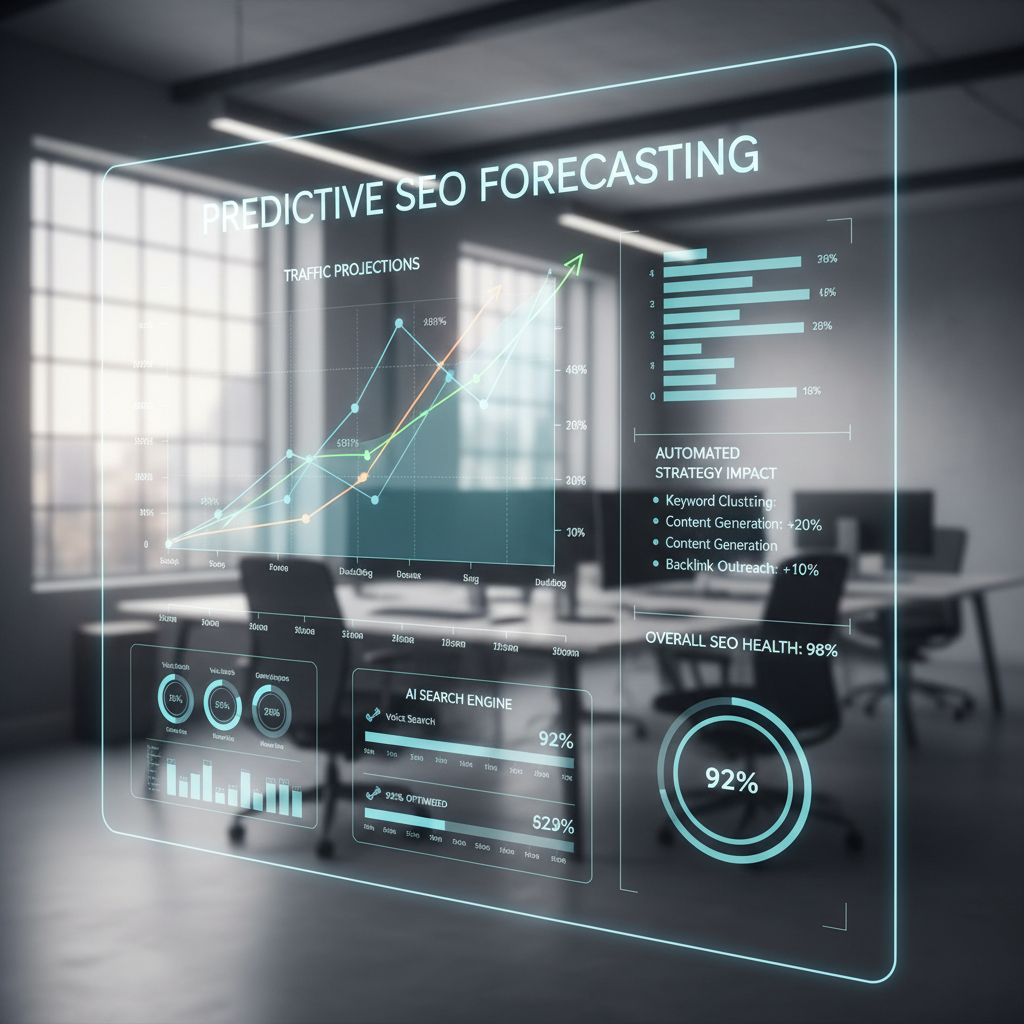
Performance tracking automation provides real-time insights into SEO effectiveness across traditional search engines and AI platforms. These automated SEO strategies ensure you never miss important ranking changes or traffic opportunities [5]. ### Multi-Platform Visibility Tracking Modern tracking systems monitor your visibility across Google, Bing, ChatGPT, Claude, Perplexity, and Gemini simultaneously. This comprehensive approach ensures you understand how your content performs across all relevant search platforms.- Real-time ranking monitoring across multiple search engines
- AI search engine visibility tracking and recommendations
- Traffic source analysis and attribution
- Conversion tracking from organic search traffic
- Automated reporting and alert systems
AI Search Engine Optimization Strategies
AI search engine optimization represents the future of automated SEO strategies, focusing on how AI platforms like ChatGPT, Gemini, Claude, and Perplexity understand and recommend content to users [6]. ### Conversational Query Optimization AI search engines process natural language queries differently than traditional search engines. Automated optimization for these platforms involves understanding conversational search patterns and optimizing content to match how people actually ask questions.- Natural language processing for conversational queries
- Question-based content structure optimization
- Context-aware content recommendations
- Multi-turn conversation optimization
- Voice search and smart speaker optimization
Pro Tip: Focus on creating content that answers specific questions completely. AI search engines favor comprehensive, authoritative answers over keyword-stuffed content when making recommendations to users.Research indicates that businesses optimizing for AI search engines see 45% higher visibility in AI-generated responses compared to those focusing solely on traditional SEO [7]. This shift represents a fundamental change in how search optimization works in 2026.
How to Choose the Right Automation Tools
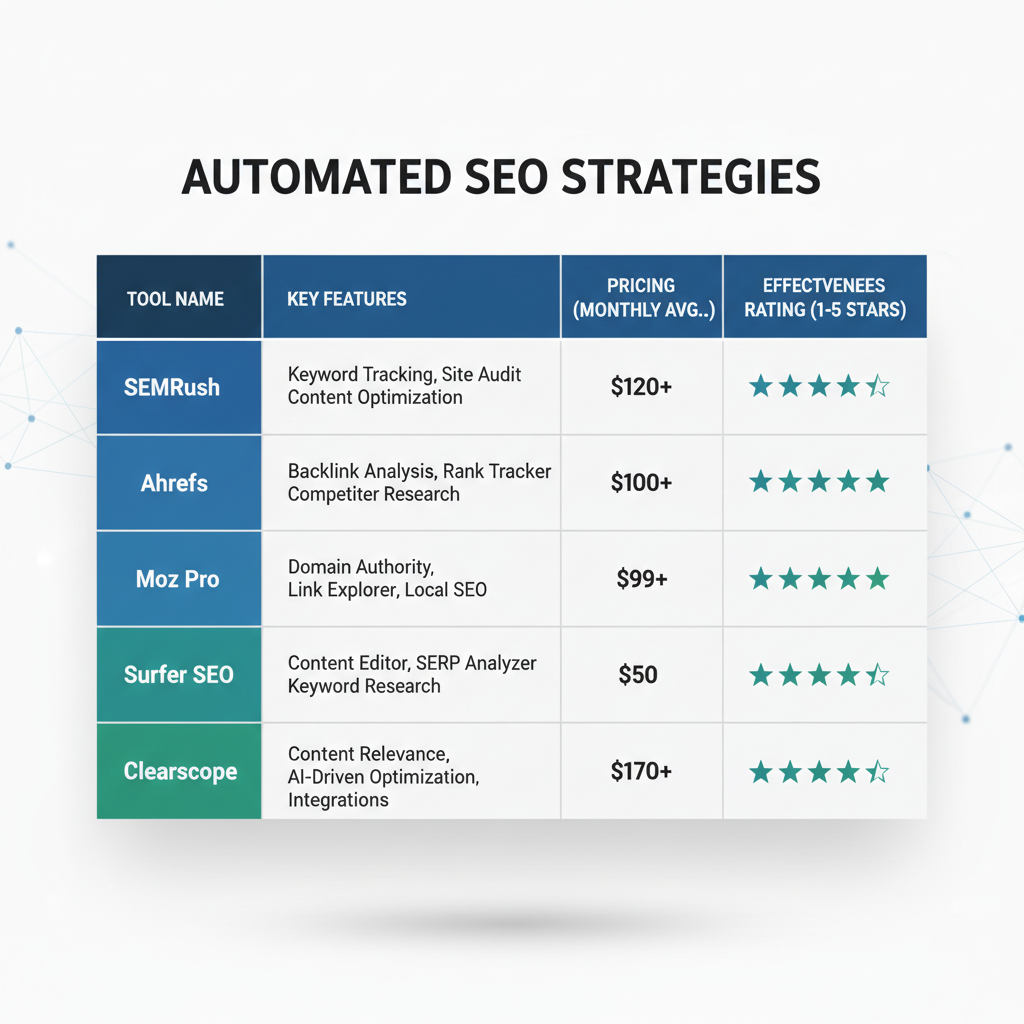
Selecting the right automation tools for your automated SEO strategies requires careful consideration of your business needs, budget, and technical requirements. The wrong choice can waste resources and deliver poor results [8]. ### Essential Features to Evaluate When evaluating SEO automation tools, prioritize platforms that offer comprehensive coverage of both traditional and AI search optimization. Look for tools that integrate multiple functions rather than requiring separate solutions for each task.- Multi-platform optimization (Google, AI search engines, social platforms)
- Real-time monitoring and automated reporting
- Content generation and optimization capabilities
- Technical SEO auditing and fix implementation
- Integration capabilities with existing marketing tools
- Scalability to grow with your business needs
| Tool Type | Best For | Price Range | Setup Time |
|---|---|---|---|
| All-in-One Platforms | SMBs wanting complete automation | $99-$299/month | 1-3 days |
| Content Automation | Content-heavy businesses | $50-$200/month | 1-2 days |
| Technical SEO Tools | E-commerce and large sites | $100-$500/month | 3-7 days |
| AI Search Optimization | Forward-thinking businesses | $99-$399/month | 1-2 days |
Sources & References
- eesel AI, "I tested the 6 best automated SEO tools", 2026
- University of California Riverside, "AI-Coached SEO Strategies Based on Real-Time Data", 2026
- Straight North, "How to Automate SEO Tasks and What to Avoid", 2026
- Harshit Tyagi, "How I Automated ProductHunt's #1 SEO Tool using AI", 2026
- Marketer Milk, "13 best SEO automation tools I'm using in 2026", 2026
- AllIAI, "Automate Your On-Page SEO: A Guide to AI Content Optimization", 2026
- Harvard ADS, "AI-driven SEO strategies: Enhancing B2B organic traffic", 2026
- ClickRank AI, "Can SEO Be Automated in 2026? What Works & What Doesn't", 2026
Frequently Asked Questions
1. What are the top 5 SEO strategies for 2026?
The top automated SEO strategies for 2026 include AI-powered content automation, technical SEO automation, multi-platform visibility tracking, AI search engine optimization, and predictive analytics. These strategies focus on automation rather than manual processes, enabling businesses to scale their SEO efforts efficiently while maintaining quality and consistency across all optimization activities.
2. Is SEO dead or evolving in 2026?
SEO is very much alive but has evolved into "search everywhere optimization" in 2026. Modern SEO includes optimizing for AI assistants like ChatGPT, Gemini, Claude, and Perplexity alongside traditional search engines. The focus has shifted from keyword stuffing to creating comprehensive, authoritative content that AI systems can understand and recommend to users seeking specific information.
3. Can SEO be completely automated without human oversight?
While many SEO tasks can be automated, strategic oversight remains important. Automated systems excel at technical optimization, content generation, and performance tracking, but human review ensures brand alignment and strategic direction. The best approach combines automation for execution with human guidance for strategy and quality control.
4. How much can businesses save with automated SEO strategies?
Businesses typically save 70-90% on SEO costs by switching from agencies to automation. Traditional agencies charge $3,000-$10,000 monthly, while comprehensive automation solutions cost $99-$299 monthly. Beyond cost savings, automation provides 24/7 optimization, faster implementation, and more consistent results than manual approaches.
5. What's the difference between traditional SEO and AI search optimization?
Traditional SEO focuses on ranking in search engine results pages, while AI search optimization targets how AI platforms understand and recommend content. AI optimization emphasizes conversational queries, entity recognition, and comprehensive answers rather than keyword density. Both approaches are necessary for complete search visibility in 2026.
6. How quickly can automated SEO strategies show results?
this approach typically show initial results within 2-4 weeks for technical improvements and 6-12 weeks for content and ranking improvements. The speed depends on your website's current state, competition level, and the comprehensiveness of your automation setup. Consistent daily optimization compounds results over time.
7. What are the risks of using automated SEO tools?
The main risks include over-optimization, generic content creation, and lack of brand voice consistency. Quality automation tools mitigate these risks through sophisticated algorithms and customization options. Choose tools that allow brand voice training and provide human oversight capabilities to maintain content quality and strategic alignment.

Recommended Articles
Explore more from our content library: