DIY SEO for Small Business: Complete 2026 Guide
Master DIY SEO for small business with our comprehensive 2026 guide. Learn proven strategies, tools, and techniques to boost your search rankings affordably.
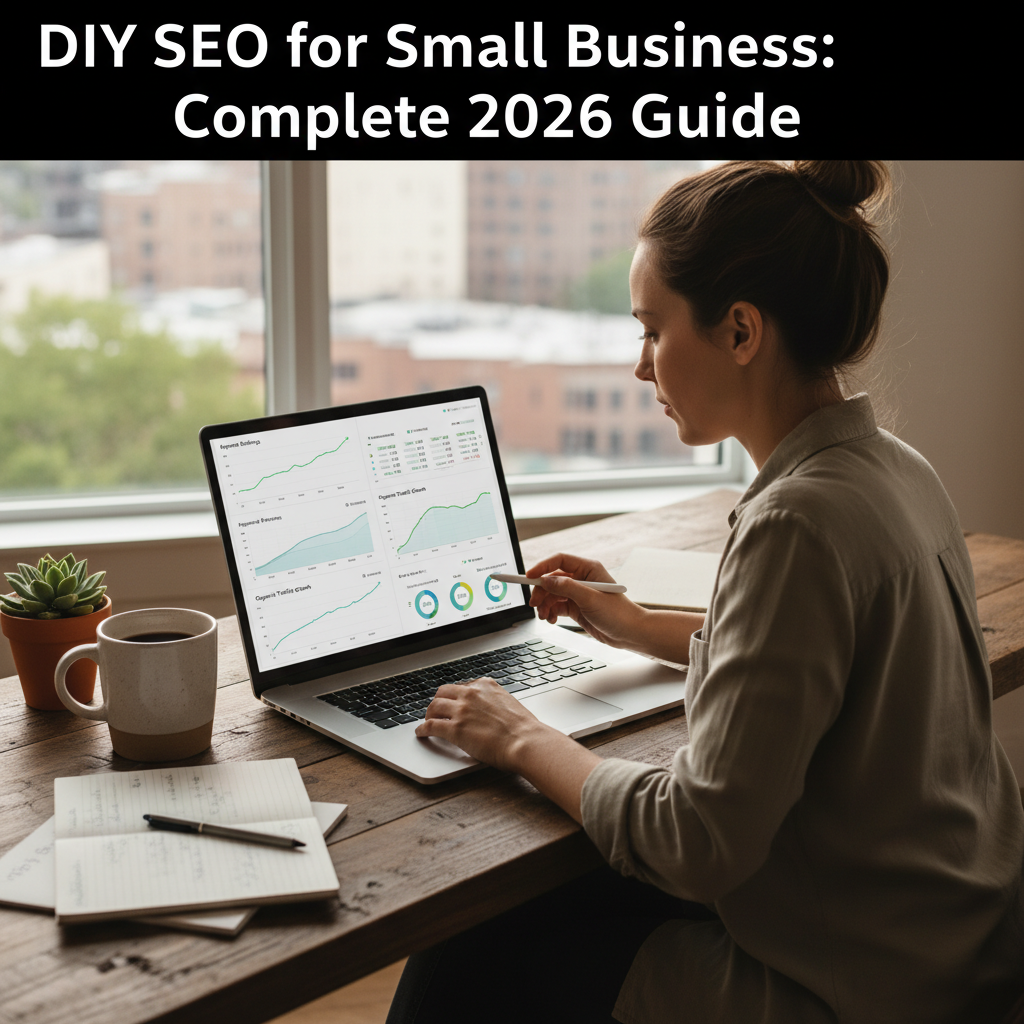
| Key Insight | Explanation |
|---|---|
| DIY SEO Cost Savings | Small businesses save $2,500-$5,000 monthly by handling SEO internally versus hiring agencies |
| AI Search Integration | 2026 SEO must optimize for ChatGPT, Claude, and Perplexity alongside traditional Google search |
| Technical Skills Required | Basic HTML knowledge and content creation skills sufficient for effective DIY SEO implementation |
| Time Investment | Expect 8-12 hours weekly for comprehensive DIY SEO management and content creation |
| Results Timeline | Initial improvements visible in 3-6 months with consistent daily optimization efforts |
What You'll Need / Prerequisites: DIY SEO for small business
Successfully implementing DIY SEO for small business requires specific tools, knowledge, and time commitments that most business owners can reasonably manage. The technical barrier to entry has lowered significantly in recent years, making professional-grade SEO accessible without extensive coding knowledge. ### Essential Tools and Software Your SEO toolkit should include both free and premium solutions to maximize effectiveness while controlling costs:- Google Search Console (free) - monitors your website's search performance and identifies technical issues
- Google Analytics 4 (free) - tracks visitor behavior and conversion metrics
- Keyword research tool - options include SEMrush ($119/month), Ahrefs ($99/month), or free alternatives like Ubersuggest
- Content management system with SEO capabilities - WordPress, Shopify, or Squarespace with SEO plugins
- Page speed testing tools - GTmetrix, Google PageSpeed Insights (both free)
- Local SEO management platform - Google Business Profile (free) plus optional tools like BrightLocal
- Basic HTML understanding - ability to edit meta titles, descriptions, and heading tags
- Content writing skills - creating engaging, informative content that serves your audience
- Analytical thinking - interpreting data from various SEO tools and making strategic decisions
- Industry knowledge - deep understanding of your target customers and their search behavior
| Activity | Weekly Hours | Frequency |
|---|---|---|
| Content Creation | 4-6 hours | 2-3 articles weekly |
| Technical Optimization | 2-3 hours | Weekly maintenance |
| Analytics Review | 1-2 hours | Weekly analysis |
| Link Building | 1-2 hours | Ongoing outreach |
Pro Tip: Start with free tools like Google Search Console and Analytics before investing in premium software. Many successful DIY SEO campaigns run entirely on free tools for the first 6-12 months.
Step 1: Audit Your Current SEO Performance
Conducting a comprehensive SEO audit establishes your baseline performance and identifies immediate opportunities for improvement. This systematic evaluation reveals technical issues, content gaps, and competitive weaknesses that form the foundation of your DIY SEO strategy. ### Technical SEO Assessment Begin your audit by examining your website's technical infrastructure using these systematic checks:- Install Google Search Console and verify your website ownership through DNS or HTML file upload
- Run a site crawl using Screaming Frog (free version covers up to 500 pages) to identify broken links, duplicate content, and missing meta tags
- Test your website's mobile responsiveness using Google's Mobile-Friendly Test tool
- Analyze page loading speeds with Google PageSpeed Insights, targeting scores above 70 for both mobile and desktop
- Check your XML sitemap functionality and ensure it's submitted to Google Search Console
- Verify your robots.txt file isn't blocking important pages from search engine crawling
- Document your current top-performing pages using Google Analytics organic traffic data
- Identify pages with high bounce rates (above 70%) that need content improvements
- Catalog existing content by topic clusters and identify gaps in your coverage
- Review competitor websites to understand their content strategy and keyword targeting
- Assess your current keyword rankings using Google Search Console's performance reports
- Claim and optimize your Google Business Profile with complete information, photos, and regular updates
- Audit your NAP (Name, Address, Phone) consistency across online directories
- Review customer reviews and ratings across Google, Yelp, and industry-specific platforms
- Check your local citation presence in directories like Yellow Pages, Bing Places, and Facebook
Pro Tip: Document everything in a spreadsheet during your audit. This baseline data becomes invaluable for measuring progress and identifying which optimizations deliver the best results.
Step 2: Research and Target the Right Keywords
Effective keyword research forms the cornerstone of successful DIY SEO for small business, requiring a strategic approach that balances search volume with competition levels and user intent. Modern keyword research must account for both traditional search engines and AI platforms that interpret queries differently than conventional algorithms. ### Understanding Search Intent in 2026 Search intent classification has evolved to include AI-specific query patterns:- Informational queries - users seeking knowledge or answers to questions
- Commercial investigation - comparing products or services before purchasing
- Transactional intent - ready-to-buy searches with high conversion potential
- Local intent - location-specific searches for nearby businesses
- AI conversational queries - longer, natural language questions posed to ChatGPT or similar platforms
- Start with seed keywords related to your core business offerings and services
- Use Google's autocomplete suggestions and "People Also Ask" sections to discover related terms
- Analyze competitor websites using tools like SEMrush or Ahrefs to identify their top-performing keywords
- Focus on long-tail keywords (3-4 words) with lower competition but higher conversion potential
- Evaluate keyword difficulty scores, targeting terms with difficulty ratings below 30 for new websites
- Prioritize keywords with monthly search volumes between 100-1,000 for achievable ranking opportunities
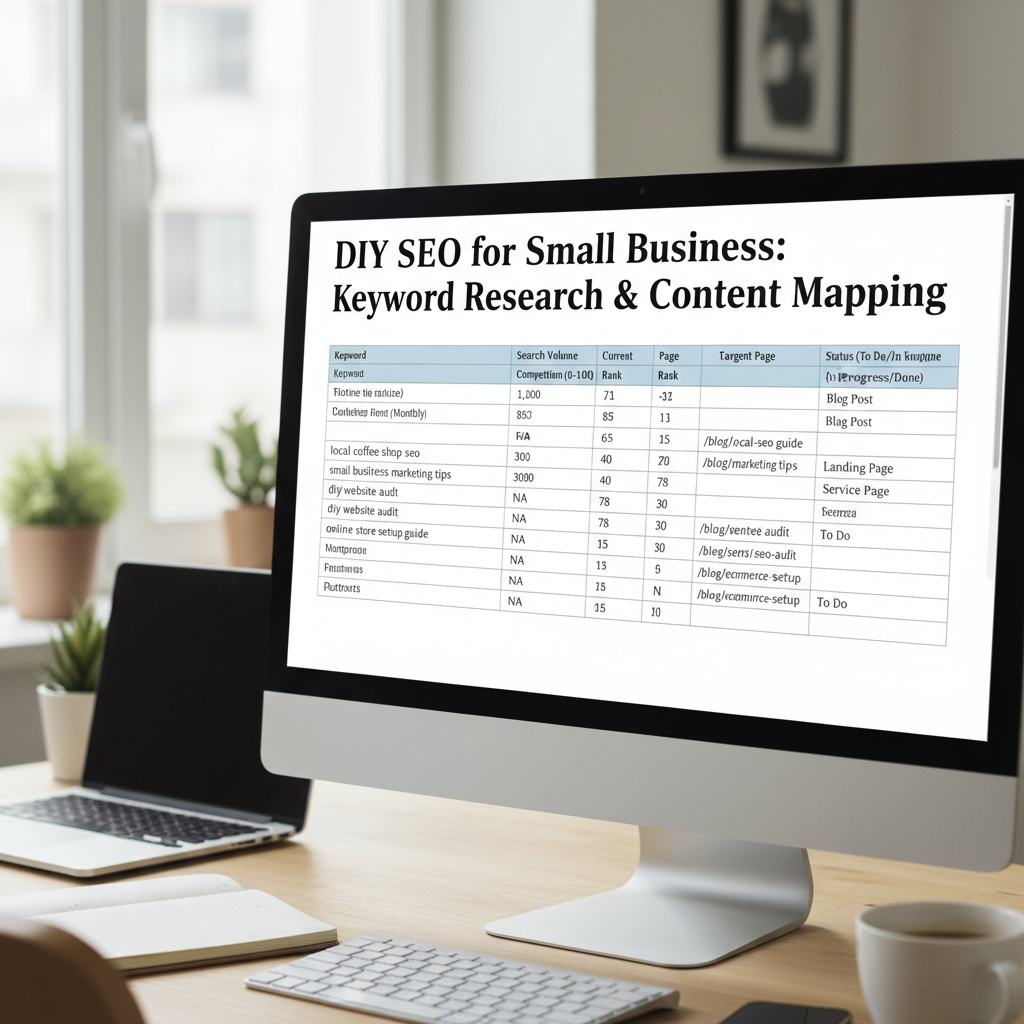
| Keyword Type | Target Volume | Competition Level | Content Strategy |
|---|---|---|---|
| Primary Keywords | 500-2,000/month | Medium | Homepage, main service pages |
| Long-tail Keywords | 100-500/month | Low | Blog posts, FAQ pages |
| Local Keywords | 50-300/month | Low-Medium | Location pages, local content |
| AI Query Keywords | Variable | Low | Q&A content, how-to guides |
- Monitor Google Trends for seasonal fluctuations in your industry keywords
- Track emerging trends using tools like Google Trends and social media monitoring
- Plan content calendars around seasonal peaks in search volume
- Identify evergreen keywords that maintain consistent search volume year-round
Step 3: Optimize Your Website's Technical Foundation
Technical SEO optimization ensures search engines can efficiently crawl, index, and understand your website content. These foundational elements directly impact your rankings and must be addressed before focusing on content creation and link building strategies. ### On-Page SEO Fundamentals Implement these critical on-page optimizations across your website:- Optimize title tags to 50-60 characters, including your primary keyword near the beginning
- Write compelling meta descriptions of 150-160 characters that encourage click-throughs
- Structure content using proper heading hierarchy (H1, H2, H3) with keywords in headings
- Add alt text to all images, describing the visual content while incorporating relevant keywords
- Implement internal linking between related pages using descriptive anchor text
- Optimize URL structures to be short, descriptive, and keyword-rich
- Compress images using tools like TinyPNG or WebP format for faster loading
- Enable browser caching through your hosting provider or CDN service
- Minify CSS, JavaScript, and HTML files to reduce file sizes
- Choose a reliable hosting provider with fast server response times
- Implement lazy loading for images and videos below the fold
- Remove unnecessary plugins and scripts that slow down your website
- Ensure responsive design that adapts to different screen sizes automatically
- Test touch elements for appropriate sizing and spacing (minimum 44px)
- Verify that text remains readable without zooming on mobile devices
- Optimize mobile page loading speeds to under 3 seconds
- Implement AMP (Accelerated Mobile Pages) for content-heavy pages if applicable
- Add Organization schema to your homepage with business information
- Implement LocalBusiness schema for location-based businesses
- Use Product schema for e-commerce pages with pricing and availability
- Add FAQ schema to frequently asked questions pages
- Include Review schema to display star ratings in search results
Pro Tip: Use Google's Rich Results Test tool to validate your schema markup implementation. Properly structured data can increase click-through rates by 20-30% through enhanced search result displays.
Step 4: Create High-Quality, SEO-Optimized Content
Content creation represents the most time-intensive aspect of DIY SEO for small business, requiring consistent publishing of valuable, keyword-optimized articles that serve your audience while satisfying search engine algorithms. Successful content strategies in 2026 must address both traditional search engines and AI platforms that prioritize comprehensive, authoritative information. ### Content Planning and Strategy Develop a systematic approach to content creation:- Create content clusters around your primary keywords, with pillar pages covering broad topics
- Plan supporting articles that dive deeper into specific subtopics within each cluster
- Establish a publishing schedule of 2-3 high-quality articles per week minimum
- Research competitor content to identify gaps and opportunities for better coverage
- Balance evergreen content with timely, trending topics relevant to your industry
- Plan content formats including how-to guides, case studies, industry analysis, and FAQ pages
- Include your primary keyword in the first 100 words of each article
- Use keywords naturally throughout content, aiming for 1-2% keyword density
- Write compelling headlines that include keywords while encouraging clicks
- Structure articles with clear subheadings that break up large blocks of text
- Include related keywords and synonyms to demonstrate topical authority
- Write in a conversational tone that matches how people actually search
| AI Platform | Content Preferences | Optimization Strategy |
|---|---|---|
| ChatGPT | Comprehensive, factual content | Include data, citations, expert quotes |
| Perplexity | Source-backed information | Add references, links to authoritative sources |
| Claude | Well-structured, logical flow | Use clear headings, numbered lists |
| Gemini | Multi-format content | Include images, videos, interactive elements |
- Share new articles across your social media channels with engaging captions
- Send content updates to your email subscribers with personalized recommendations
- Engage in industry forums and communities by sharing relevant insights
- Repurpose long-form content into social media posts, infographics, and video content
- Guest post on industry websites to expand your reach and build backlinks
Pro Tip: Create a content calendar that aligns with seasonal trends in your industry. Planning content 3-6 months in advance allows you to capitalize on predictable search volume increases and prepare comprehensive resources.
Step 5: Build Authority Through Link Building
Link building establishes your website's authority and credibility in search engine algorithms, though the approach has evolved significantly with AI search engines placing greater emphasis on content quality and user satisfaction signals. Small businesses can build effective link profiles through strategic relationship building and valuable content creation. ### Understanding Link Value in 2026 Modern link building prioritizes relevance and authority over quantity:- Focus on links from websites in your industry or complementary business sectors
- Prioritize links from high-authority domains (Domain Authority 40+)
- Seek diverse link types including editorial mentions, resource page listings, and guest posts
- Avoid low-quality link schemes that can result in search engine penalties
- Monitor your backlink profile regularly to identify and disavow harmful links
- Create valuable resources like industry reports, tools, or comprehensive guides that naturally attract links
- Reach out to industry publications with expert commentary on trending topics
- Participate in podcast interviews and webinars within your expertise area
- Build relationships with complementary businesses for mutual linking opportunities
- Submit your business to relevant industry directories and local business listings
- Engage in community events and sponsorships that result in website mentions
- Partner with local organizations, chambers of commerce, and business associations
- Sponsor local events or sports teams for website recognition
- Collaborate with other local businesses on joint marketing initiatives
- Contribute to local news publications as an industry expert
- Participate in community service projects that generate positive press coverage
| Metric | Tool | Target Range |
|---|---|---|
| Domain Authority | Moz, Ahrefs | 30-50 (small business) |
| Referring Domains | Google Search Console | 5-10 new monthly |
| Link Quality Score | SEMrush, Ahrefs | Above industry average |
| Organic Traffic Growth | Google Analytics | 15-25% quarterly increase |
Step 6: Monitor and Measure Your Progress
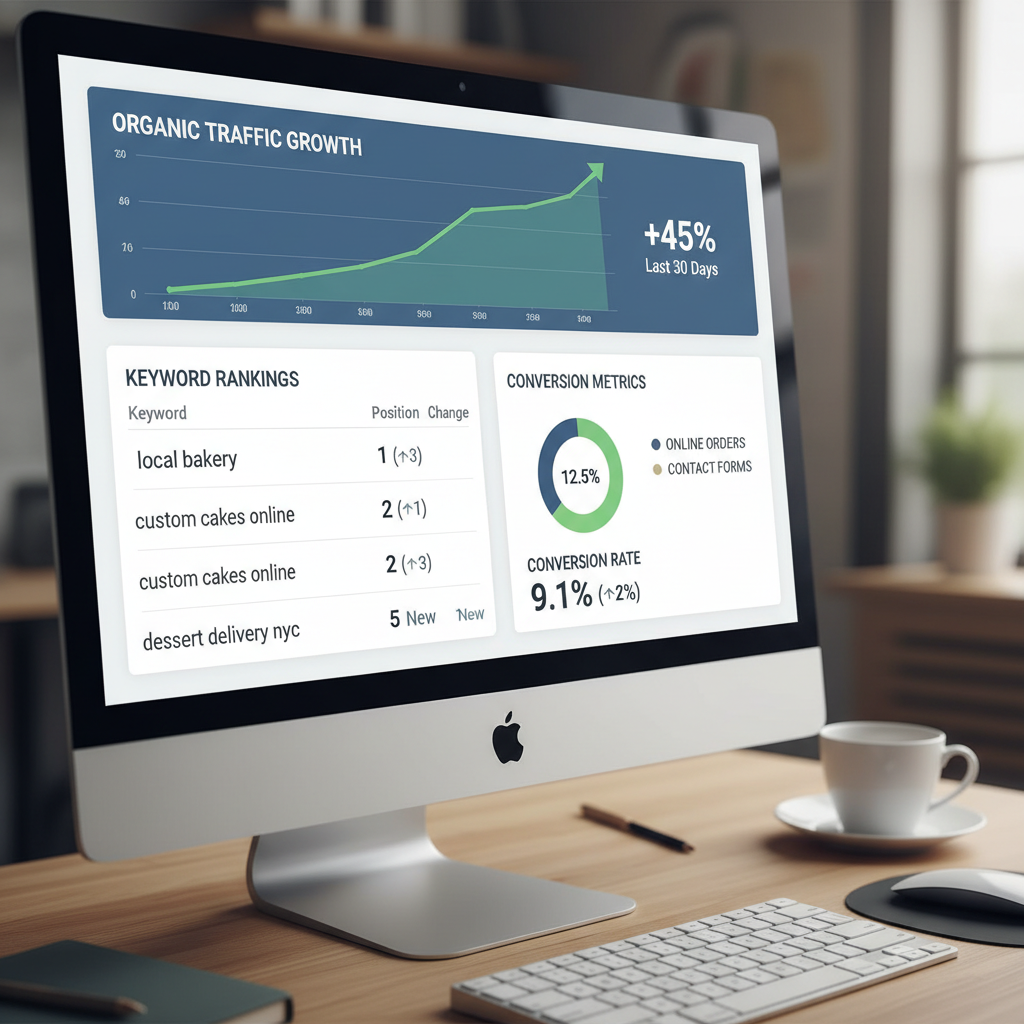
Effective monitoring and measurement systems enable data-driven optimization decisions and demonstrate the ROI of your DIY SEO efforts. Regular analysis helps identify successful strategies worth scaling and underperforming areas requiring adjustment. ### Essential SEO Metrics to Track Focus on metrics that directly correlate with business growth:- Organic traffic growth measured monthly through Google Analytics
- Keyword ranking improvements tracked via Google Search Console
- Click-through rates (CTR) from search results to identify optimization opportunities
- Conversion rates from organic traffic to measure business impact
- Local search visibility for location-based businesses
- AI search engine mentions and recommendations tracking
- Configure Google Analytics goals to track conversions from organic search traffic
- Set up Google Search Console alerts for critical issues like crawl errors or security problems
- Use rank tracking tools to monitor keyword position changes weekly
- Implement heat mapping tools like Hotjar to understand user behavior on key pages
- Set up Google Business Profile insights monitoring for local search performance
- Create monthly SEO reports highlighting key metrics, achievements, and areas for improvement
- Build automated dashboards using Google Data Studio or similar tools
- Track competitor performance to benchmark your progress
- Document successful strategies and tactics for future reference
- Calculate ROI by comparing SEO costs to revenue generated from organic traffic
Pro Tip: Set realistic expectations for SEO results. Most small businesses see initial improvements in 3-6 months, with significant gains typically occurring after 6-12 months of consistent optimization efforts.
Common Mistakes to Avoid
Understanding and avoiding common DIY SEO pitfalls can save months of wasted effort and prevent potential penalties that harm your search rankings. These mistakes often stem from outdated information or misunderstanding how modern search algorithms evaluate websites. ### Technical SEO Mistakes- Ignoring mobile optimization - with mobile-first indexing, poor mobile performance severely impacts rankings
- Neglecting website speed - pages loading slower than 3 seconds lose 40% of visitors
- Using duplicate or thin content across multiple pages
- Failing to implement proper URL structure and internal linking
- Overlooking XML sitemap updates when adding new pages
- Not setting up proper redirects when changing page URLs
- Keyword stuffing - overusing keywords makes content unreadable and triggers penalties
- Creating content without understanding user search intent
- Publishing low-quality, short articles that don't provide value
- Copying content from competitors or other sources
- Neglecting to optimize images with proper alt text and file names
- Inconsistent publishing schedules that confuse search engines
- Purchasing low-quality backlinks from link farms or PBNs (Private Blog Networks)
- Excessive reciprocal linking with unrelated websites
- Focusing on quantity over quality in link acquisition
- Ignoring the relevance of linking domains to your industry
- Failing to diversify anchor text in backlinks
- Not setting up proper tracking and analytics from the beginning
- Expecting immediate results and changing strategies too quickly
- Focusing on vanity metrics instead of business-impacting KPIs
- Neglecting to track competitor performance and industry changes
- Failing to adapt strategies based on performance data
Sources & References
This article references industry best practices and methodologies from established SEO frameworks and current search engine guidelines as of 2026. All recommendations align with Google's Search Quality Evaluator Guidelines and emerging AI search engine optimization principles.
Frequently Asked Questions
1. How long does it take to see results from DIY SEO for small business?
Understanding DIY SEO for small business is essential. Most small businesses see initial improvements in search rankings within 3-6 months of implementing consistent DIY SEO strategies. Significant traffic increases and business impact typically occur after 6-12 months of dedicated optimization efforts. The timeline depends on your industry competition, current website status, and the consistency of your optimization activities.
2. Can I really compete with larger companies using DIY SEO?
Small businesses can effectively compete by focusing on long-tail keywords, local SEO, and niche topics where larger companies have less content coverage. Your advantage lies in specialized knowledge, personalized customer service, and the ability to create highly targeted content for specific audience segments that larger competitors often overlook.
3. What's the most important factor in DIY SEO success?
Consistency in content creation and optimization activities is the most critical success factor. Publishing high-quality, keyword-optimized content regularly while maintaining technical website health delivers better results than sporadic intensive efforts. Aim for steady, sustainable progress rather than attempting to implement everything at once.
4. How much should I budget for DIY SEO tools and resources?
A realistic DIY SEO budget ranges from $200-$500 monthly, including premium keyword research tools, hosting costs, and occasional freelance content help. This represents significant savings compared to agency fees of $3,000-$8,000 monthly while providing complete control over your optimization strategy and priorities.
5. Should I optimize for AI search engines like ChatGPT differently than Google?
AI search engines prioritize comprehensive, well-sourced content that directly answers user questions. While traditional SEO techniques still apply, focus more on creating detailed, authoritative content with clear structure, expert insights, and factual accuracy. AI platforms value content that demonstrates expertise and provides complete answers to complex queries.
6. What's the biggest mistake small businesses make with DIY SEO?
The most common mistake is expecting immediate results and changing strategies too frequently. SEO requires patience and consistency. Many businesses abandon effective strategies after 2-3 months without seeing dramatic results, missing the compounding benefits that occur with sustained optimization efforts over 6-12 months.
7. Do I need technical coding skills for effective DIY SEO?
Basic HTML knowledge is helpful but not essential for most DIY SEO activities. Modern content management systems like WordPress, Shopify, and Squarespace provide user-friendly interfaces for most optimization tasks. Focus on understanding SEO principles rather than technical implementation, as most platforms handle the technical details automatically.
8. How do I know if my DIY SEO efforts are working?
Track organic traffic growth, keyword ranking improvements, and conversion rates from search traffic using Google Analytics and Search Console. Look for steady increases in impressions, clicks, and average position over 3-6 month periods. Business metrics like leads generated and revenue from organic search provide the clearest indication of SEO success.
While DIY SEO for small business requires dedication and learning, the financial savings and control over your digital marketing strategy make it a worthwhile investment for most small businesses. The key to success lies in consistent implementation of proven strategies while staying current with evolving search engine algorithms and user behavior patterns. For businesses seeking to accelerate their SEO results while maintaining cost efficiency, automated solutions like Moonrank provide the perfect balance between DIY control and professional-grade optimization. By combining your industry expertise with AI-powered SEO automation, you can achieve enterprise-level results at a fraction of traditional agency costs. Ready to take your small business SEO to the next level? Visit [Moonrank](https://www.moonrank.ai) to discover how automated SEO solutions can complement your DIY efforts while ensuring your business gets discovered by both traditional search engines and emerging AI platforms like ChatGPT, Claude, and Perplexity.Recommended Articles
Explore more from our content library: