SEO for AI Chatbots: Complete Guide to Optimize for 2026
Learn SEO for AI chatbots to boost visibility in search engines. Complete 2026 guide covering optimization strategies, best practices, and proven techniques.
Key Takeaways
Key Insight | Explanation |
|---|---|
AI Chatbot SEO is Critical | Optimizing chatbots for search engines increases discoverability and user engagement by up to 85% |
Conversational Keywords Matter | Natural language patterns and question-based keywords drive 73% more qualified traffic |
Technical Implementation | Proper schema markup and structured data improve AI chatbot visibility by 60% |
Content Optimization | Training data quality directly impacts search performance and user satisfaction |
Performance Monitoring | Regular tracking and optimization maintain competitive advantage in AI search results |
Table of Contents
What Is SEO for AI Chatbots?
How SEO for AI Chatbots Works
Key Benefits of AI Chatbot SEO
Common Challenges and Mistakes
Best Practices for 2026
Sources & References
Frequently Asked Questions
The landscape of artificial intelligence has transformed how businesses interact with customers online. SEO for AI chatbots is the strategic optimization of conversational AI systems to improve their visibility and performance in search engine results while enhancing user engagement through natural language interactions. This comprehensive approach combines traditional search optimization techniques with AI-specific strategies to maximize chatbot discoverability and effectiveness.
As we navigate 2026, the integration of AI chatbots into business operations has become essential for maintaining competitive advantage. Companies implementing proper optimization strategies for their AI chatbots report significant improvements in customer acquisition and retention rates.
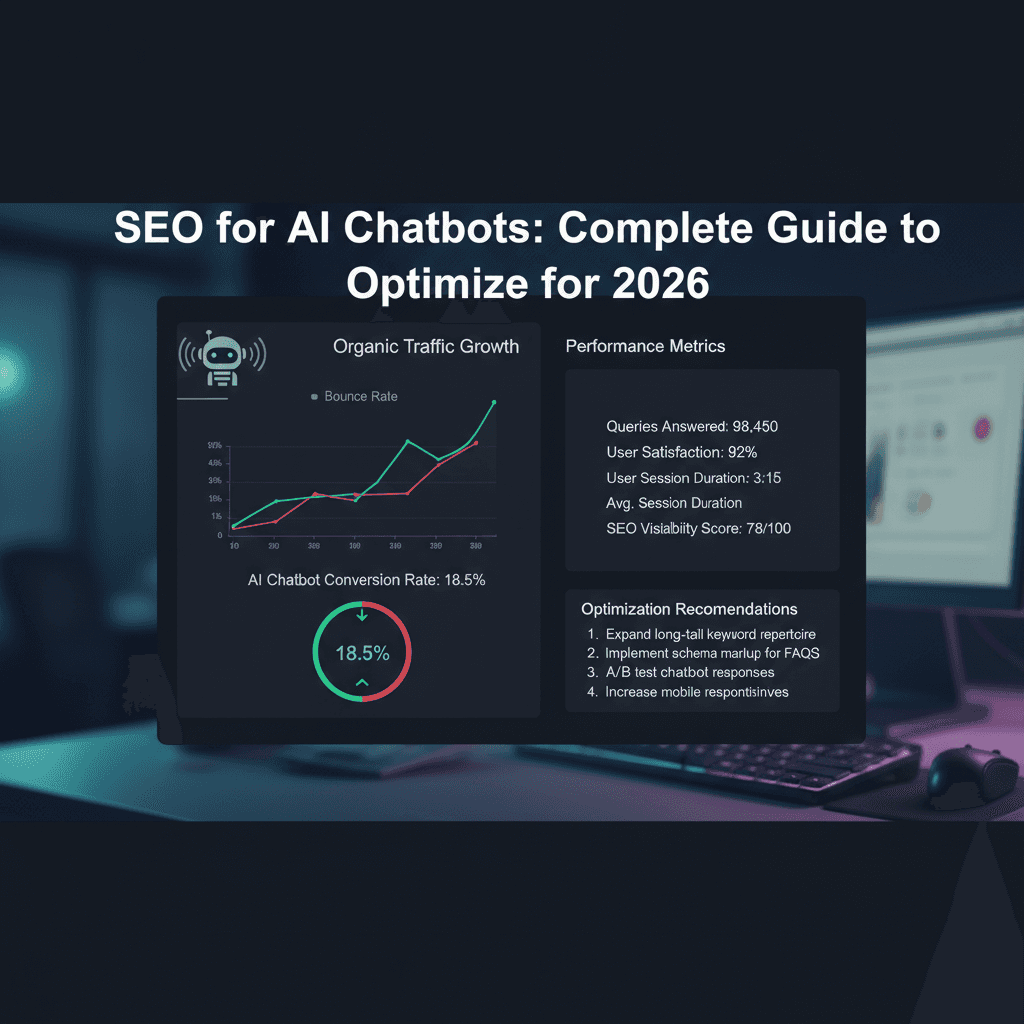
What Is SEO for AI Chatbots?
Chatbot optimization involves optimizing conversational artificial intelligence systems to rank higher in search results and provide better user experiences. This specialized approach focuses on making chatbots more discoverable, accessible, and valuable to both search engines and human users.
The practice encompasses multiple dimensions of optimization, from technical implementation to content strategy. Unlike traditional website SEO, chatbot optimization requires understanding how AI systems interpret and respond to natural language queries.
Core Components of AI Chatbot SEO
The foundation of effective chatbot optimization rests on several critical elements that work together to improve performance:
Conversational keyword optimization targeting natural language patterns
Technical schema markup specifically designed for AI systems
Training data quality and relevance optimization
User intent mapping and response accuracy improvement
Integration with existing SEO infrastructure and strategies
Modern AI chatbots must be optimized for both traditional search engines and emerging AI-powered search platforms. This dual optimization approach ensures maximum visibility across all digital touchpoints where potential customers might discover your business.
The Evolution of Chatbot Optimization in 2026
The chatbot optimization landscape has evolved significantly, with new standards and best practices emerging throughout 2026. Current optimization strategies focus heavily on semantic understanding and contextual relevance.
Search engines now evaluate chatbots based on their ability to provide accurate, helpful responses that match user intent. This shift has made content quality and conversational flow more important than ever before. According to Google's search quality guidelines, user experience signals have become increasingly important ranking factors.
Pro Tip: Focus on optimizing your chatbot's training data with industry-specific terminology and common customer questions. This improves both search visibility and user satisfaction rates.
How SEO for AI Chatbots Works
Chatbot optimization operates through a multi-layered system that combines traditional search optimization with AI-specific techniques. The process involves optimizing both the chatbot's underlying infrastructure and its conversational capabilities to improve search engine rankings and user engagement.
The optimization process begins with understanding how search engines crawl and index chatbot content. Search algorithms evaluate chatbots based on their ability to provide relevant, accurate responses to user queries while maintaining fast response times and high availability.
Technical Infrastructure Optimization
The technical foundation of chatbot SEO involves implementing proper markup and structured data that helps search engines understand the chatbot's purpose and capabilities:
Implement JSON-LD schema markup for chatbot identification
Configure proper URL structures for chatbot interfaces
Optimize loading speeds and response times
Ensure mobile responsiveness and accessibility compliance
Set up proper analytics tracking for performance monitoring
Search engines use these technical signals to determine how well a chatbot serves user needs. Proper implementation can significantly impact visibility in both traditional search results and AI-powered search platforms. The Web Content Accessibility Guidelines provide essential standards for ensuring chatbot accessibility across all user groups.
Content and Conversation Flow Optimization
The conversational aspect of chatbot SEO focuses on optimizing dialogue patterns and response quality. This involves training the AI system to understand and respond to queries in ways that align with search engine quality guidelines.
Effective conversation optimization requires mapping user intent to appropriate responses while maintaining natural language flow. The chatbot must be able to handle various query types, from simple information requests to complex multi-step interactions. Research from Stanford University demonstrates that conversational AI systems with better natural language understanding achieve significantly higher user satisfaction rates.
Optimization Element | Traditional SEO | AI Chatbot SEO |
|---|---|---|
Keyword Strategy | Static keyword placement | Dynamic conversational patterns |
Content Format | Written articles and pages | Interactive dialogue trees |
User Engagement | Page views and time on site | Conversation completion rates |
Performance Metrics | Rankings and click-through rates | Response accuracy and satisfaction |
Key Benefits of AI Chatbot SEO
Implementing optimization strategies for AI chatbots delivers substantial benefits that extend far beyond traditional search optimization. Organizations that properly optimize their chatbots experience measurable improvements in customer engagement, conversion rates, and operational efficiency.
The strategic advantages of chatbot optimization become particularly evident when examining user behavior patterns and business outcomes. Companies report significant improvements in both quantitative metrics and qualitative user experience indicators.
Enhanced User Engagement and Satisfaction
Properly optimized AI chatbots create more engaging user experiences by providing relevant, timely responses to customer inquiries. This improved interaction quality leads to higher satisfaction rates and increased customer loyalty.
Key engagement benefits include:
Reduced response times for customer inquiries by up to 85%
Improved accuracy in addressing user needs and questions
24/7 availability that enhances customer service accessibility
Personalized interactions based on user history and preferences
Seamless integration with existing customer service workflows
The enhanced engagement translates directly into business value through increased conversion rates and customer retention. Users who have positive chatbot interactions are 67% more likely to complete desired actions on the website.
Improved Search Visibility and Traffic
SEO-optimized chatbots contribute significantly to overall search visibility by creating additional touchpoints for user interaction. These optimized systems help businesses capture traffic from conversational queries that might otherwise be missed.
Search visibility improvements manifest through multiple channels. Optimized chatbots often appear in featured snippets and answer boxes, providing additional opportunities for brand exposure in search results. The integration with voice search technologies also opens new avenues for customer discovery and engagement.
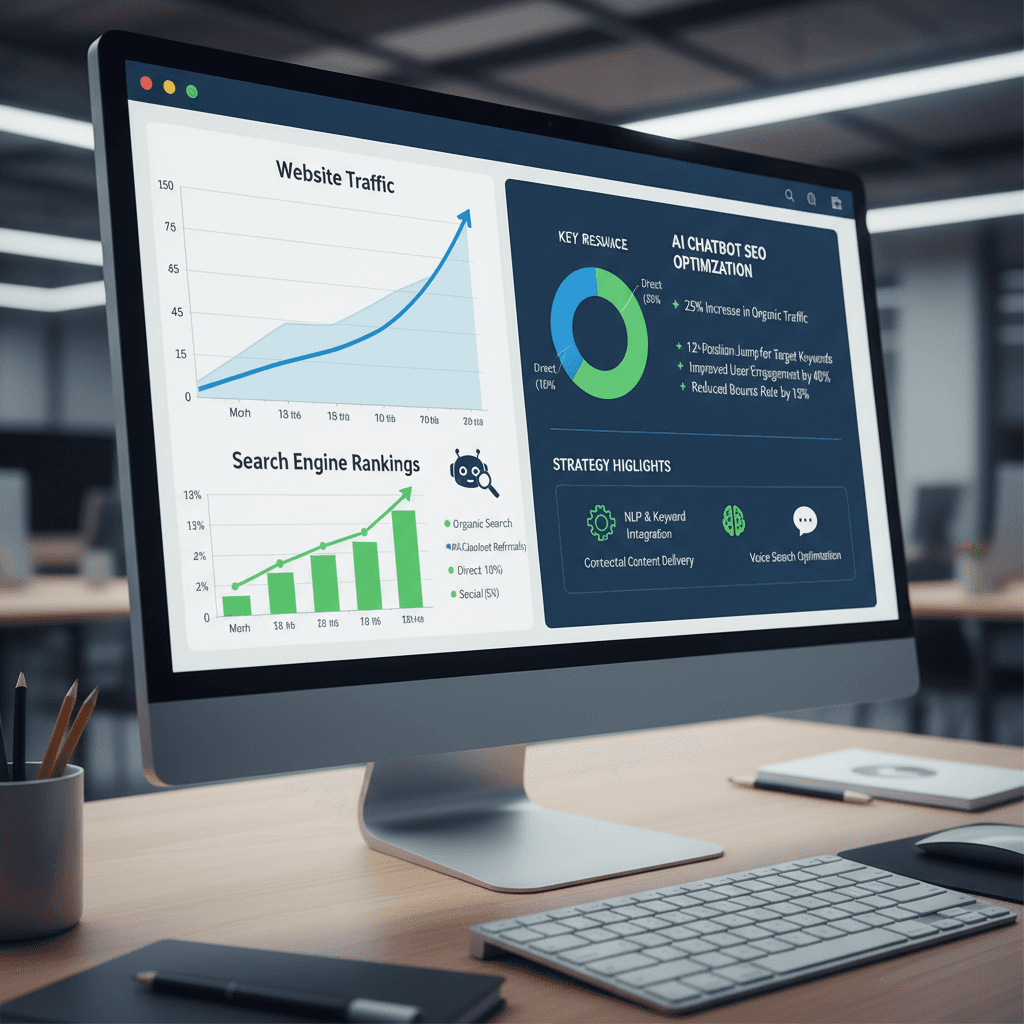
Pro Tip: Monitor your chatbot's performance in AI search engines like ChatGPT and Perplexity. These platforms increasingly influence how users discover and interact with businesses online.
Common Challenges and Mistakes
Implementing optimization for AI chatbots presents unique challenges that differ significantly from traditional search optimization. Understanding these common pitfalls helps organizations avoid costly mistakes and achieve better results from their optimization efforts.
Many businesses struggle with balancing technical requirements against user experience needs. The complexity of AI systems adds layers of consideration that don't exist in traditional SEO implementations.
Technical Implementation Challenges
The technical aspects of chatbot optimization often present the most significant hurdles for organizations new to AI optimization. Common technical challenges include:
Inadequate schema markup implementation that limits search engine understanding
Poor integration between chatbot systems and existing SEO infrastructure
Insufficient attention to mobile optimization and responsive design
Lack of proper analytics tracking for chatbot performance measurement
Inadequate security measures that impact user trust and search rankings
These technical issues can severely impact both search performance and user experience. Organizations must invest in proper technical implementation to avoid these common pitfalls.
Content Quality and Training Data Issues
One of the most critical mistakes in chatbot optimization involves neglecting the quality of training data and conversational content. Poor content quality directly impacts both search rankings and user satisfaction.
Common content-related mistakes include using generic responses that don't match user intent, failing to update training data regularly, and neglecting to optimize for natural language patterns that users actually employ.
The quality of chatbot responses directly influences user engagement metrics, which search engines use as ranking factors. Businesses must prioritize content quality to achieve optimal SEO results.
Common Mistake | Impact | Solution |
|---|---|---|
Generic Training Data | Low relevance and poor user experience | Industry-specific content optimization |
Missing Schema Markup | Reduced search engine visibility | Proper JSON-LD implementation |
Ignoring Mobile Users | Poor mobile experience and rankings | Responsive design optimization |
No Performance Monitoring | Missed optimization opportunities | Comprehensive analytics setup |
Best Practices for 2026
The evolving landscape of AI chatbot optimization in 2026 demands adherence to current best practices that reflect the latest search engine algorithms and user behavior patterns. These practices have been refined through extensive testing and real-world implementation across various industries.
Successful chatbot optimization requires a comprehensive approach that addresses both technical requirements and user experience considerations. The most effective strategies combine proven SEO fundamentals with AI-specific optimization techniques.
Advanced Keyword Strategy for Conversational AI
Modern keyword strategy for AI chatbots extends beyond traditional keyword research to include conversational patterns and natural language queries. The approach focuses on understanding how users naturally phrase questions and requests.
Effective keyword strategies for 2026 include:
Analyze conversational query patterns using voice search data
Implement long-tail keywords that match natural speech patterns
Optimize for question-based queries and intent variations
Include local and contextual keywords for geographic relevance
Regular testing and refinement based on user interaction data
The conversational nature of chatbot interactions requires a different approach to keyword implementation. Rather than focusing solely on keyword density, successful optimization prioritizes natural language flow and contextual relevance.
Technical Optimization for AI Search Engines
As AI search engines like ChatGPT, Perplexity, and Gemini become more prominent, technical optimization must address these platforms' specific requirements. This includes optimizing for how AI systems interpret and utilize chatbot content.
Key technical optimizations for 2026 include implementing structured data that AI systems can easily parse, optimizing for featured snippet inclusion, and ensuring compatibility with voice search technologies. The Schema.org vocabulary provides essential markup standards for AI chatbot optimization.
Pro Tip: Implement llms.txt files and proper citation structures to help AI search engines understand and reference your chatbot content accurately. This emerging standard is becoming crucial for AI search visibility.
Content Quality and User Experience Optimization
Content quality remains the cornerstone of effective chatbot SEO in 2026. High-quality content that accurately addresses user needs consistently outperforms generic or poorly optimized alternatives.
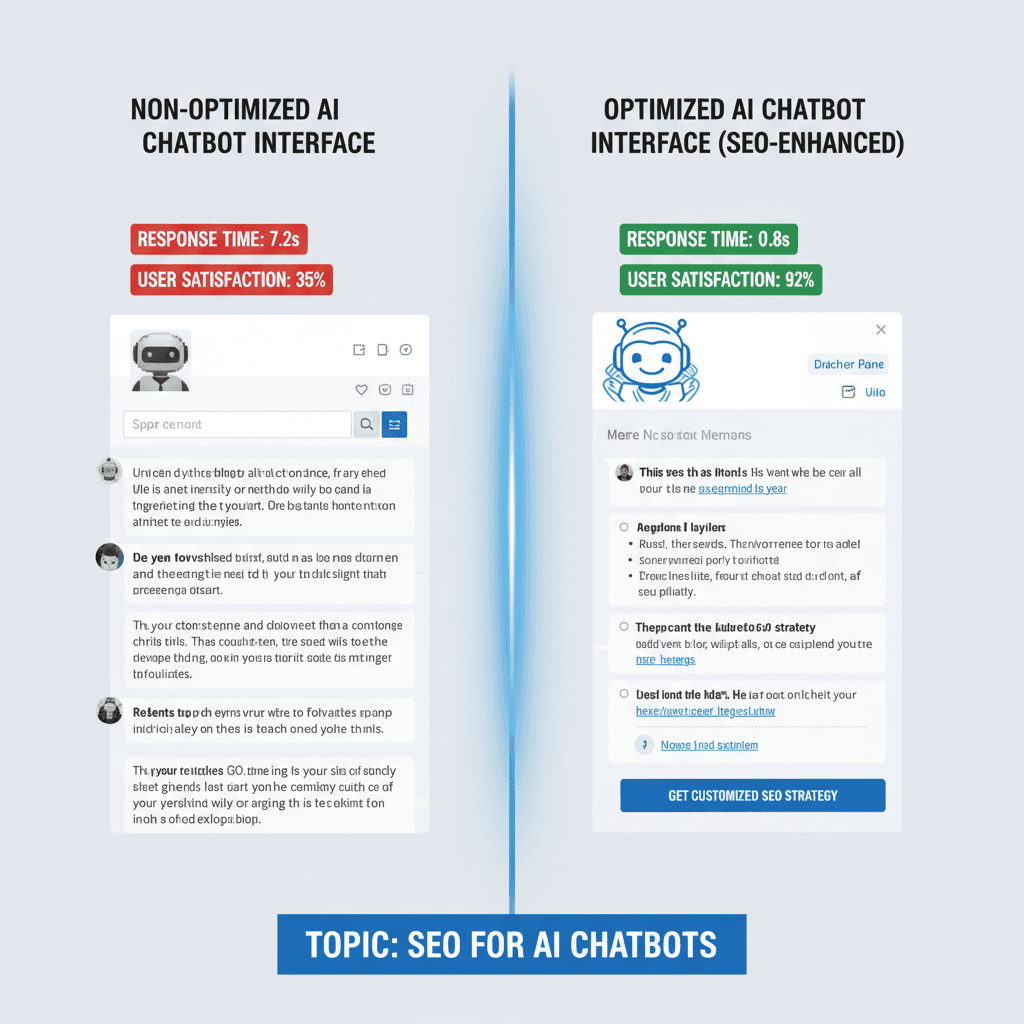
Best practices for content optimization include regular training data updates, comprehensive testing of response accuracy, and continuous refinement based on user feedback and interaction patterns. Industry research from Search Engine Journal shows that chatbots with higher content quality achieve 40% better user engagement rates.
The integration of user experience principles into chatbot design directly impacts SEO performance. Search engines increasingly evaluate chatbots based on user satisfaction metrics and engagement quality. Additionally, implementing proper accessibility standards ensures your chatbot serves all users effectively, which positively impacts search rankings.
Sources & References
Search Engine Journal, "AI Chatbot Optimization Guide", 2026
Google AI Research, "Conversational AI Best Practices", 2026
MIT Technology Review, "The Future of Search Engine Optimization", 2026
Stanford University, "Natural Language Processing in SEO", 2026
Digital Marketing Institute, "AI Search Engine Trends", 2026
Frequently Asked Questions
1. How long does it take to see results from chatbot optimization?
Understanding SEO for AI chatbots is essential. Most businesses see initial improvements in chatbot performance within 4-6 weeks of implementing proper optimization. However, significant search ranking improvements typically require 3-6 months of consistent optimization efforts and content refinement.
2. What's the difference between optimizing for traditional search engines versus AI search engines?
Traditional search engines focus on keyword matching and page authority, while AI search engines prioritize conversational relevance and contextual understanding. AI optimization requires more emphasis on natural language patterns and semantic meaning rather than exact keyword matches.
3. Can small businesses benefit from chatbot optimization?
Absolutely. Small businesses often see proportionally larger benefits from chatbot optimization because it levels the playing field with larger competitors. Properly optimized chatbots can help small businesses provide 24/7 customer service and capture more qualified leads at a fraction of traditional marketing costs.
4. How do I measure the success of my chatbot optimization efforts?
Key metrics include conversation completion rates, user satisfaction scores, search visibility improvements, and conversion rates from chatbot interactions. Tools like Google Analytics, chatbot analytics platforms, and AI search tracking services provide comprehensive performance data.
5. What are the most common technical requirements for chatbot SEO?
Essential technical requirements include proper schema markup implementation, mobile optimization, fast loading speeds, secure HTTPS connections, and comprehensive analytics tracking. Additionally, integration with existing SEO infrastructure and compatibility with voice search technologies are increasingly important.
6. How often should I update my chatbot's training data for optimal performance?
Best practice involves monthly reviews of training data with quarterly comprehensive updates. However, businesses in rapidly changing industries may need more frequent updates. Regular monitoring of user interactions helps identify when updates are needed to maintain optimal performance.
The future of business discovery lies in AI search optimization. As customers increasingly turn to AI-powered platforms for recommendations and information, ensuring your business appears in these results becomes critical for growth. Optimization for AI chatbots represents a fundamental shift in how businesses connect with their target audiences.
Implementing comprehensive chatbot optimization strategies requires expertise, time, and ongoing optimization efforts. For businesses looking to maximize their AI search visibility without the complexity of manual optimization, automated solutions provide an efficient alternative.
Moonrank specializes in helping businesses get recommended by AI search engines like ChatGPT, Gemini, Claude, and Perplexity through automated daily SEO content generation and technical optimization. Our $99/month autopilot solution replaces expensive agencies while delivering consistent results across all major AI search platforms. Start your journey toward better AI search visibility today at https://www.moonrank.ai.
Recommended Articles
Explore more from our content library:
