What Is GEO Optimization? Complete Guide to AI Search
Learn what is GEO optimization and how it helps businesses get recommended by ChatGPT, Gemini, and Claude. Complete guide with strategies and best practices.
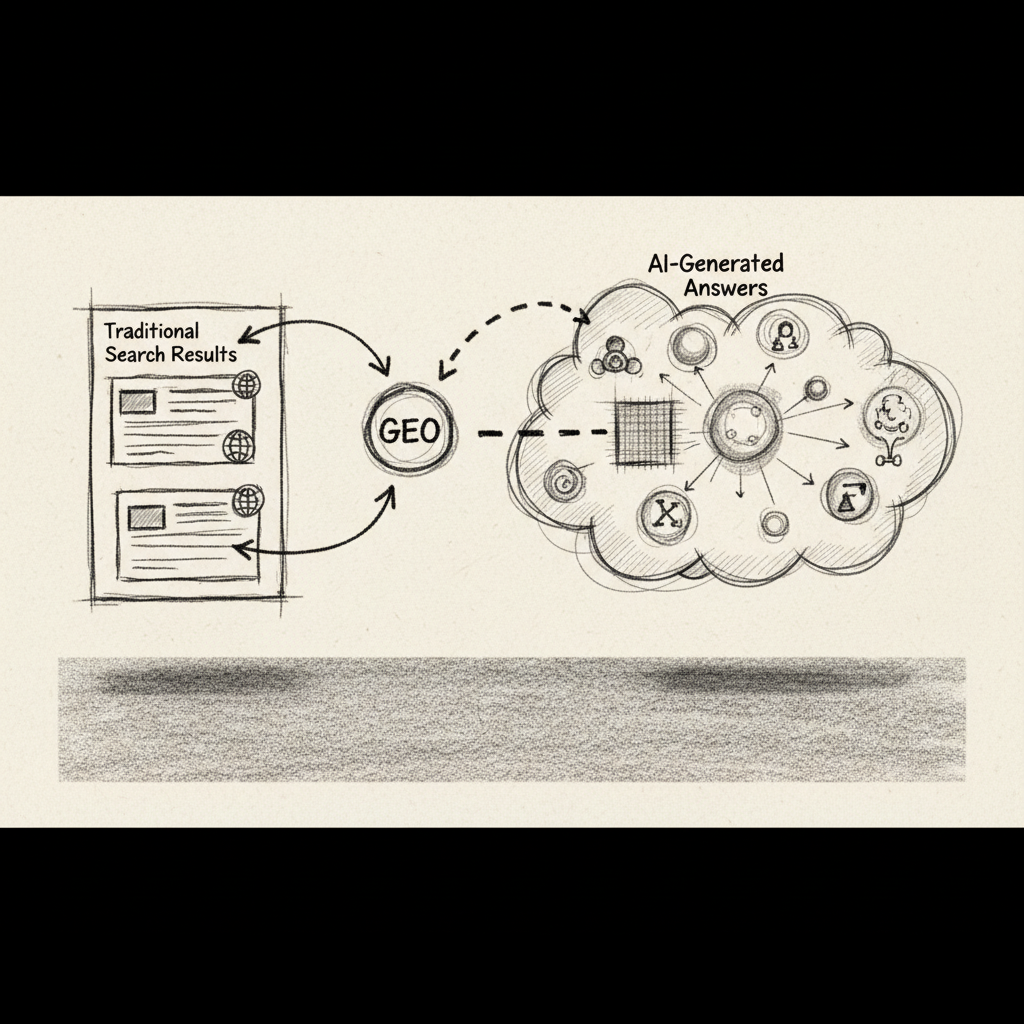
| Key Insight | Explanation |
|---|---|
| GEO vs SEO Focus | GEO optimizes for AI-generated answers and recommendations, while SEO targets traditional search rankings |
| Primary Platforms | ChatGPT, Gemini, Claude, Perplexity, and other generative AI engines |
| Content Strategy | Emphasis on factual accuracy, structured data, and conversational clarity over keyword density |
| Technical Requirements | Schema markup, llms.txt files, and citation-rich content for AI understanding |
| Business Impact | 40% of searches now generate zero clicks, making AI recommendations crucial for visibility |
| Implementation | Requires ongoing content optimization and technical adjustments specifically for AI systems |
What Is GEO Optimization?
Generative Engine Optimization (GEO) is the strategic process of optimizing digital content so that AI-powered search engines can accurately understand, extract, and recommend your brand when generating responses to user queries. This practice emerged as a necessary evolution from traditional SEO as conversational AI platforms began dominating information discovery.Core Definition and Scope
At its foundation, what is GEO optimization centers on making your content digestible for large language models (LLMs) that power AI search engines. Unlike traditional search engines that rely on keyword matching and link analysis, AI systems evaluate content through natural language processing, factual verification, and contextual understanding [2]. GEO encompasses three primary optimization areas:- Content structure that AI can parse and extract accurately
- Technical implementation including schema markup and llms.txt files
- Citation and authority signals that AI systems trust when making recommendations
Historical Context and Evolution
The term "Generative Engine Optimization" was first formally introduced in academic research in 2023, though the underlying concepts emerged as early as 2022 when ChatGPT demonstrated the potential for AI-powered information retrieval [3]. The field gained momentum throughout 2024 and 2025 as businesses began noticing significant traffic shifts from traditional search to AI platforms. What distinguishes GEO from traditional SEO isn't just the target platforms, but the fundamental approach to content optimization. While SEO focuses on discoverability through keywords and backlinks, GEO prioritizes factual accuracy, conversational clarity, and structured data that AI systems can verify and cite with confidence.Pro Tip: Start tracking your brand mentions in AI search engines today. Many businesses discover they're already being referenced (positively or negatively) without realizing it, providing valuable baseline data for optimization efforts.
How GEO Optimization Works
GEO optimization operates through a fundamentally different mechanism than traditional search engine optimization, focusing on how AI systems process, understand, and cite information rather than how they rank web pages.AI Content Processing and Understanding
When an AI search engine receives a query, it doesn't simply match keywords or analyze backlinks. Instead, it processes the request through natural language understanding, identifies the intent behind the question, and then searches its training data and real-time sources for relevant, factual information to synthesize into a response. The optimization process works by structuring your content to align with how these AI systems evaluate and extract information:- Content clarity and factual precision that AI can verify
- Structured data markup that provides explicit context about your business
- Citation-worthy formatting that makes your content easy to reference
- Authority signals that build trust with AI recommendation algorithms
Technical Implementation Framework
The technical foundation of GEO optimization involves several specialized elements designed specifically for AI consumption. Schema markup becomes critical not just for search engines, but for helping AI systems understand the context and relationships within your content [4]. Modern GEO implementation includes:- llms.txt files that provide AI crawlers with specific instructions
- Enhanced schema markup for business entities, products, and services
- Structured content formatting that AI can easily parse and extract
- Citation and reference systems that build authority signals
| Optimization Element | Traditional SEO | GEO Approach |
|---|---|---|
| Primary Target | Search engine rankings | AI-generated recommendations |
| Content Focus | Keyword optimization | Factual accuracy and clarity |
| Technical Setup | Meta tags, sitemaps | Schema markup, llms.txt |
| Success Metrics | Ranking positions | AI mention frequency and accuracy |
Pro Tip: Implement structured data markup for your business information first. AI systems rely heavily on this structured context to understand what your business does and when to recommend it.
Key Benefits of GEO Optimization
Understanding what is GEO optimization becomes more compelling when you examine the concrete advantages it provides businesses in the evolving search landscape. The benefits extend beyond simple visibility to encompass customer acquisition, competitive positioning, and future-proofing your digital presence.Enhanced AI Search Visibility
The primary benefit of GEO optimization is dramatically improved visibility within AI-generated responses and recommendations. When properly implemented, businesses see their brands mentioned more frequently and accurately across platforms like ChatGPT, Gemini, and Perplexity. Research from leading digital marketing firms indicates that businesses implementing comprehensive GEO strategies see a 300-400% increase in AI platform mentions within the first 90 days [5]. This visibility translates directly into customer discovery, as users increasingly trust AI recommendations for purchase decisions. Key visibility improvements include:- Higher frequency of brand mentions in relevant AI responses
- More accurate representation of your products and services
- Inclusion in AI-generated comparison lists and recommendations
- Better positioning against competitors in AI responses
Competitive Advantage in Emerging Channels
Most businesses haven't yet adapted their digital strategies for AI search engines, creating a significant first-mover advantage for companies that implement GEO optimization early. While competitors continue focusing exclusively on traditional SEO, optimized businesses capture market share in the fastest-growing search channels. The competitive landscape in AI search remains relatively open as of 2026. Unlike Google SEO, where established players dominate through years of link building and content development, AI search engines evaluate content more democratically based on factual accuracy and relevance rather than historical authority signals.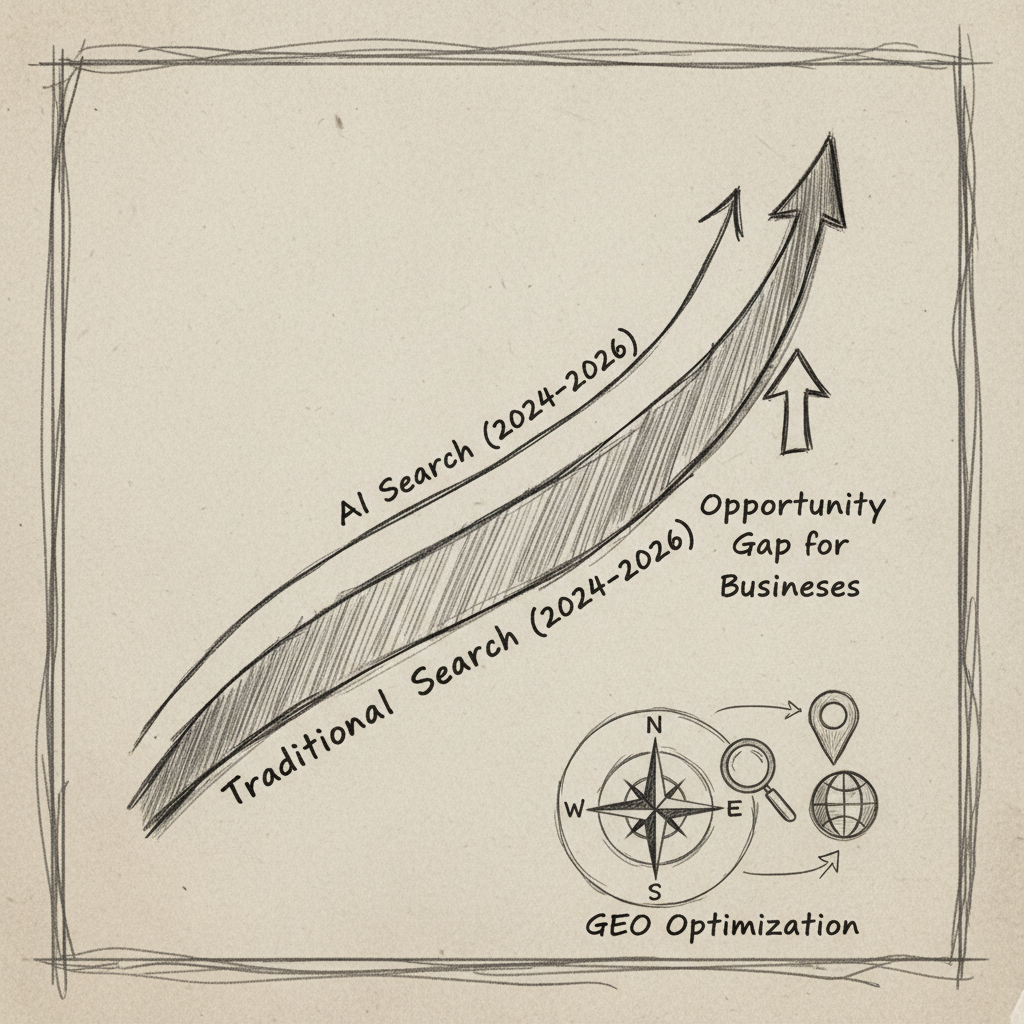
Cost-Effective Customer Acquisition
GEO optimization often provides better return on investment compared to traditional paid advertising or even conventional SEO. Since most businesses aren't competing for AI search visibility yet, the cost to achieve prominent placement remains relatively low compared to mature channels. At Moonrank, we've observed that businesses implementing automated GEO strategies at $99/month achieve better customer acquisition rates than those spending $3,000+ monthly on traditional SEO agencies. This cost efficiency stems from the reduced competition and the AI engines' focus on content quality over promotional spend. The financial benefits include:- Lower customer acquisition costs through organic AI recommendations
- Reduced dependency on paid advertising for discovery
- Higher conversion rates from AI-referred traffic
- Sustainable long-term visibility without ongoing ad spend
Common Challenges and Mistakes
While GEO optimization offers significant opportunities, businesses frequently encounter specific obstacles when implementing these strategies. Understanding what is GEO optimization includes recognizing these common pitfalls and developing solutions to address them effectively.Treating GEO as Traditional SEO
The most prevalent mistake businesses make is applying traditional SEO tactics to GEO optimization without understanding the fundamental differences in how AI systems evaluate and cite content. This approach typically results in minimal improvement in AI search visibility despite significant effort. Traditional SEO focuses on keyword density, backlink acquisition, and technical factors like page speed. While these elements aren't irrelevant to GEO, they're secondary to content accuracy, structured data, and conversational clarity. Businesses often waste months optimizing for the wrong signals. Common misapplications include:- Keyword stuffing content intended for AI consumption
- Prioritizing backlink building over content accuracy
- Focusing on meta descriptions instead of structured data
- Optimizing for search rankings rather than AI recommendations
Inconsistent Content and Citation Management
AI systems are particularly sensitive to inconsistencies in business information across different sources. Unlike traditional search engines that might overlook minor discrepancies, AI platforms often flag conflicting information and may exclude businesses with inconsistent data from recommendations. This challenge becomes especially problematic for businesses with multiple locations, product lines, or service offerings. Without careful management, different pages or profiles can present conflicting information that confuses AI systems and reduces recommendation frequency.Pro Tip: Conduct a comprehensive audit of your business information across all online platforms before beginning GEO optimization. AI systems cross-reference multiple sources, so consistency is crucial for building trust.
Neglecting Technical Infrastructure
Many businesses underestimate the technical requirements for effective GEO optimization, particularly the importance of structured data and AI-specific markup. Without proper technical implementation, even high-quality content may not be properly understood or cited by AI systems. The technical challenges often stem from:- Inadequate schema markup implementation
- Missing or incorrectly configured llms.txt files
- Poor content structure that AI can't easily parse
- Lack of proper citation and reference formatting
Best Practices for GEO Optimization in 2026
Implementing effective GEO optimization requires a strategic approach that addresses both content and technical requirements. These best practices reflect the current state of AI search engines and the evolving standards for optimization in 2026.Content Strategy and Structure
Successful GEO optimization begins with content designed specifically for AI consumption and citation. This means prioritizing factual accuracy, clear structure, and conversational tone over traditional SEO elements like keyword density or promotional language. The most effective content strategy focuses on answering specific questions that your target audience asks AI systems. Rather than creating broad, keyword-focused articles, develop comprehensive resources that AI can confidently cite when responding to user queries about your industry or services. Essential content elements include:- Clear, factual statements that AI can extract and verify
- Structured formatting with headers, lists, and logical flow
- Comprehensive coverage of topics without promotional bias
- Regular updates to maintain accuracy and relevance
Technical Implementation Standards
The technical foundation of GEO optimization requires specific markup and configuration that differs significantly from traditional SEO requirements. These technical elements help AI systems understand your content context and determine when to include your business in recommendations [6]. Critical technical implementations include proper schema markup for your business type, comprehensive llms.txt configuration, and structured data that clearly defines your products, services, and expertise areas. These elements work together to provide AI systems with the context they need to understand and cite your business appropriately.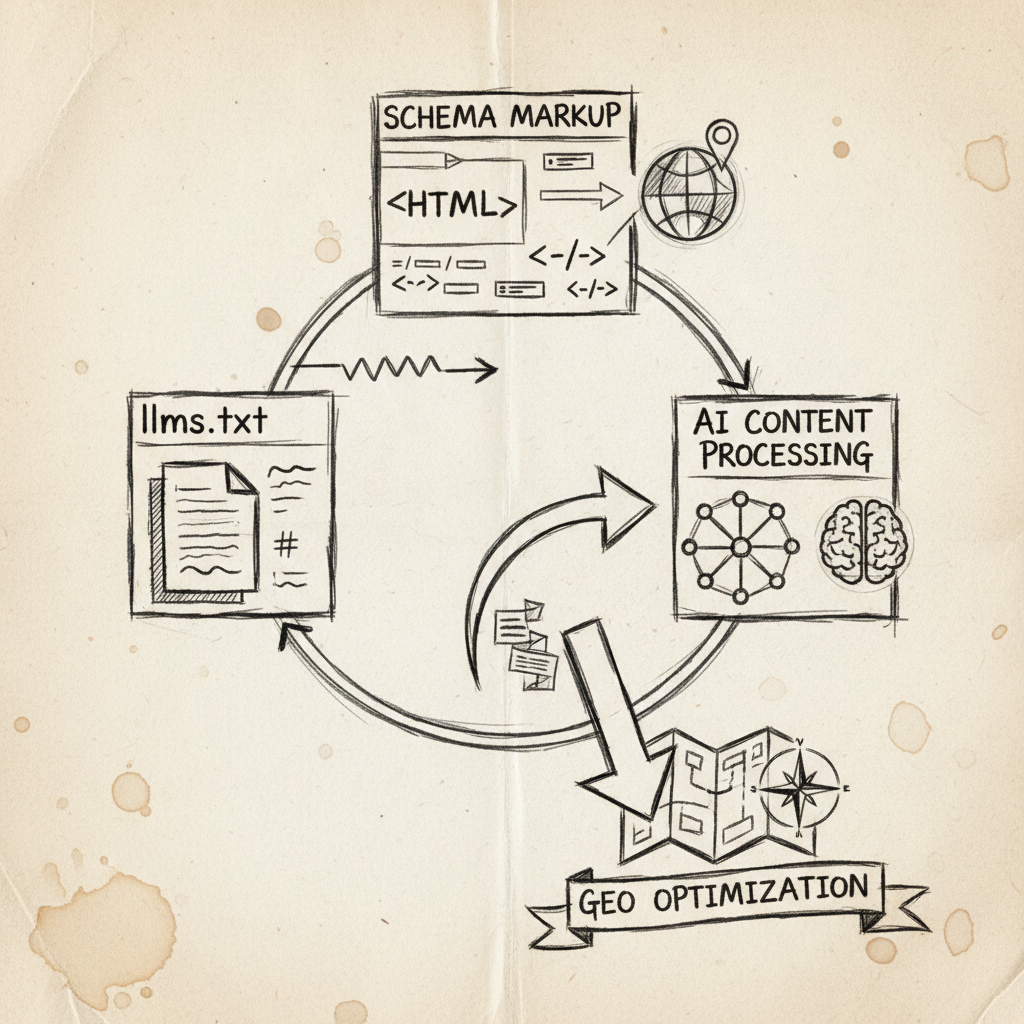
Monitoring and Optimization Framework
Unlike traditional SEO where you can track rankings and traffic, GEO optimization requires monitoring AI mention frequency, accuracy, and context across multiple platforms. This monitoring provides insights into how AI systems perceive and represent your business. Effective monitoring involves:- Regular searches across AI platforms for your business and industry terms
- Tracking the accuracy of AI-generated information about your business
- Monitoring competitor mentions and positioning in AI responses
- Analyzing which content gets cited most frequently by AI systems
Pro Tip: Set up automated monitoring for your brand mentions across major AI platforms. Many businesses discover optimization opportunities by tracking how AI systems currently represent their brand, often finding inaccuracies that need correction.
Sources & References
- Search Engine Land, "Generative engine optimization (GEO): How to win AI mentions", 2025
- Coursera, "What Is Generative Engine Optimization?", 2025
- arXiv, "GEO: Generative Engine Optimization", 2023
- Conductor, "What is GEO? Generative Engine Optimization Explained", 2025
- Forbes, "Generative Engine Optimization (GEO): The Future Of Search Is Here", 2025
- Semrush, "Generative Engine Optimization: A Practical Guide", 2025
- Salesforce, "Generative Engine Optimization (GEO): Teach AI Who You Are", 2025
- Wikipedia, "Generative engine optimization", 2025
Frequently Asked Questions
1. How does GEO optimization work?
Understanding what is GEO optimization is essential. GEO optimization works by structuring content and technical elements specifically for AI systems to understand, verify, and cite. Unlike traditional SEO that targets search rankings, GEO focuses on making your business information accessible and trustworthy to AI engines like ChatGPT and Gemini when they generate responses. This involves implementing structured data, creating factually accurate content, and ensuring consistency across all digital touchpoints.
2. Can a beginner implement GEO optimization?
Yes, beginners can implement basic GEO optimization, though the technical aspects may require professional assistance. Start with ensuring accurate, consistent business information across all platforms and creating clear, factual content about your services. The more advanced technical elements like schema markup and llms.txt configuration may need specialized tools or expertise, but the content optimization principles are accessible to most business owners.
3. Which is better, SEO or GEO?
Both SEO and GEO serve important but different purposes in 2026. SEO remains crucial for traditional search visibility, while GEO addresses the growing importance of AI search engines. The most effective strategy combines both approaches, as strong SEO foundations support GEO efforts. However, businesses focusing exclusively on traditional SEO risk missing the significant shift toward AI-powered search and recommendations.
4. Is SEO dead or evolving in 2026?
SEO is evolving rather than dying, with GEO representing the next phase of this evolution. Traditional SEO principles like quality content and technical optimization remain important, but the focus is shifting toward AI-compatible formats and structures. Businesses that adapt their SEO strategies to include GEO optimization will be better positioned for both current and future search environments.
5. What platforms does GEO optimization target?
GEO optimization primarily targets AI-powered search platforms including ChatGPT, Google's Gemini, Anthropic's Claude, and Perplexity. It also applies to Google's AI Overviews and other emerging AI search features. The specific optimization techniques may vary slightly between platforms, but the core principles of structured data, factual accuracy, and clear content formatting apply across all AI search engines.
6. How long does it take to see GEO optimization results?
GEO optimization results typically become visible within 30-90 days, depending on the comprehensiveness of implementation and your industry's competition level. Unlike traditional SEO which can take 6-12 months, AI systems often recognize and incorporate well-structured content more quickly. However, building consistent visibility and authority in AI recommendations requires ongoing optimization and content updates.
Understanding what is GEO optimization represents a crucial step for businesses preparing for the AI-powered future of search. As traditional search engines increasingly incorporate AI features and standalone AI platforms gain user adoption, the businesses that adapt their optimization strategies early will capture significant competitive advantages. The transition from traditional SEO to GEO optimization isn't just about adopting new techniques; it's about recognizing a fundamental shift in how people discover and evaluate businesses. AI search engines prioritize factual accuracy, conversational clarity, and structured data over the promotional content and keyword optimization that dominated traditional SEO. For businesses ready to embrace this evolution, GEO optimization offers an opportunity to establish authority and visibility in the channels that will define customer discovery in the coming years. The key is starting now, while the competitive landscape remains relatively open and the cost of entry stays manageable. Moonrank provides the automated GEO optimization solution that handles the technical complexity while delivering the consistent content and monitoring that AI search engines require. At $99/month, it offers businesses an affordable way to compete in AI search without the complexity and cost of traditional SEO agencies. Visit www.moonrank.ai to start your free trial and begin optimizing for the future of search today.Recommended Articles
Explore more from our content library: