AI Search Visibility: Complete Guide to Tracking &
Master AI search visibility with proven strategies to track, measure, and optimize your brand's presence across ChatGPT, Perplexity, and other AI engines.
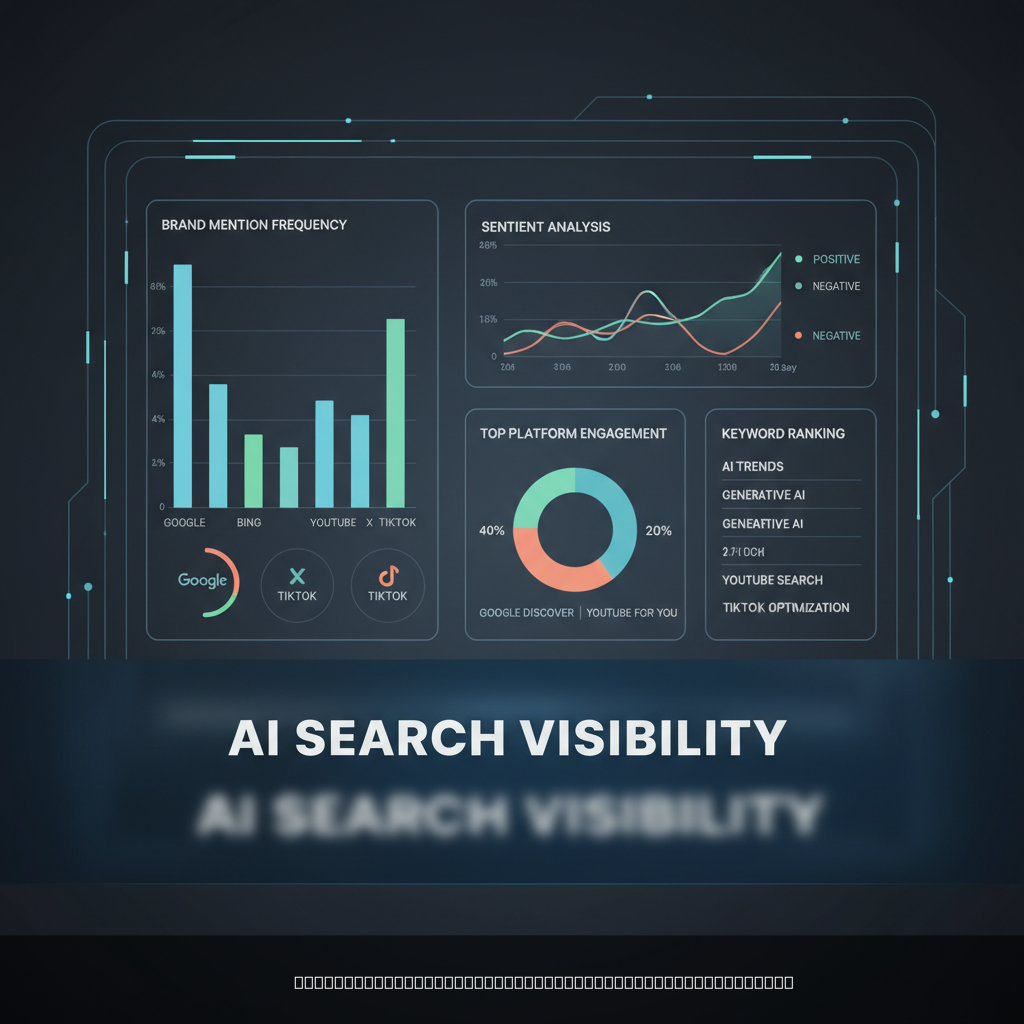
| Key Insight | Explanation |
|---|---|
| AI Search Revolution | AI search engines now generate 40% of search interactions, fundamentally changing visibility metrics |
| Visibility vs. Rankings | Success measured by brand mentions in AI responses, not traditional search rankings |
| Multi-Platform Tracking | Monitor presence across ChatGPT, Perplexity, Claude, and Google's AI Overviews |
| Content Optimization | Structured data, entity optimization, and authoritative content drive AI citations |
| Automated Solutions | Daily content generation and technical optimization replace manual tracking efforts |
| ROI Impact | Businesses with strong AI visibility see 60% higher qualified lead generation |
Understanding AI Search Visibility in 2026
Brand visibility in AI search measures how frequently and favorably your brand appears in AI-generated responses across platforms like ChatGPT, Claude, Perplexity, and Google's AI Overviews. Unlike traditional SEO that focuses on page rankings, this new approach centers on earning citations and mentions within synthesized answers that AI systems provide to users.What Makes AI Search Different
The fundamental shift from link-based results to answer-based responses changes everything about visibility strategy. Traditional search engines present lists of web pages ranked by relevance algorithms. AI search engines synthesize information from multiple sources to generate comprehensive answers, citing the most authoritative and relevant sources within their responses. According to research from Harvard Business Review, "visibility is no longer earned through clicks but through a branded presence inside AI-generated answers" [1]. This paradigm shift means businesses must optimize for being mentioned and cited rather than simply ranking high in search results.Key AI Search Platforms to Monitor
The AI search landscape encompasses several major platforms, each with unique characteristics:- ChatGPT: Provides conversational responses with source citations when available
- Perplexity: Focuses on real-time information with comprehensive source attribution
- Claude: Emphasizes accuracy and nuanced understanding of complex queries
- Google AI Overviews: Integrates AI-generated summaries directly into search results
- Microsoft Copilot: Combines web search with AI synthesis for business applications
Pro Tip: Focus on the AI platforms most relevant to your target audience. B2B companies should prioritize ChatGPT and Claude, while consumer brands benefit more from Google AI Overviews and Perplexity optimization.
Measuring Your AI Search Visibility
Measuring brand presence in AI search requires specialized tools and metrics that differ significantly from traditional SEO analytics. The key lies in tracking brand mentions, citation frequency, and sentiment across AI-generated responses.Essential AI Visibility Metrics
Effective measurement focuses on several critical metrics:- Mention Frequency: How often your brand appears in AI responses for relevant queries
- Citation Quality: The context and positioning of your brand mentions within responses
- Source Attribution: Whether AI systems cite your content as authoritative sources
- Competitive Share: Your brand's mention rate compared to competitors
- Query Coverage: The breadth of topics where your brand receives mentions
Tracking Methodologies and Tools
Several methodologies exist for tracking brand presence in AI search, ranging from manual monitoring to automated platforms. Manual tracking involves regularly querying AI systems with relevant keywords and documenting brand mentions. While time-intensive, this approach provides deep insights into response quality and context. Automated tracking platforms offer more comprehensive coverage by monitoring thousands of queries across multiple AI systems simultaneously. Tools like SE Ranking's AI Visibility Tracker and Semrush's AI Search Visibility Checker provide dashboard-based monitoring with historical trend analysis [4][5].| Tracking Method | Coverage | Time Investment | Cost |
|---|---|---|---|
| Manual Monitoring | Limited | High | Free |
| Free Tools | Basic | Medium | $0 |
| Premium Platforms | Comprehensive | Low | $99-500/month |
| Enterprise Solutions | Full-scale | Minimal | $1000+/month |
Optimization Strategies for AI Platforms
Optimizing for brand presence in AI search requires a multi-faceted approach that emphasizes content authority, structured data implementation, and entity optimization. The goal is to become the most cited and trusted source within your industry niche.Content Optimization for AI Citations
AI systems prioritize authoritative, well-structured content that provides clear, factual information. Your content strategy should focus on creating comprehensive resources that AI systems can easily parse and cite. Key optimization techniques include:- Definitive Answers: Provide clear, concise answers to common industry questions
- Statistical Authority: Include current statistics and data from reputable sources
- Expert Perspectives: Feature insights from recognized industry authorities
- Comprehensive Coverage: Address topics thoroughly rather than superficially
- Regular Updates: Maintain content freshness with current information
Technical AI Optimization
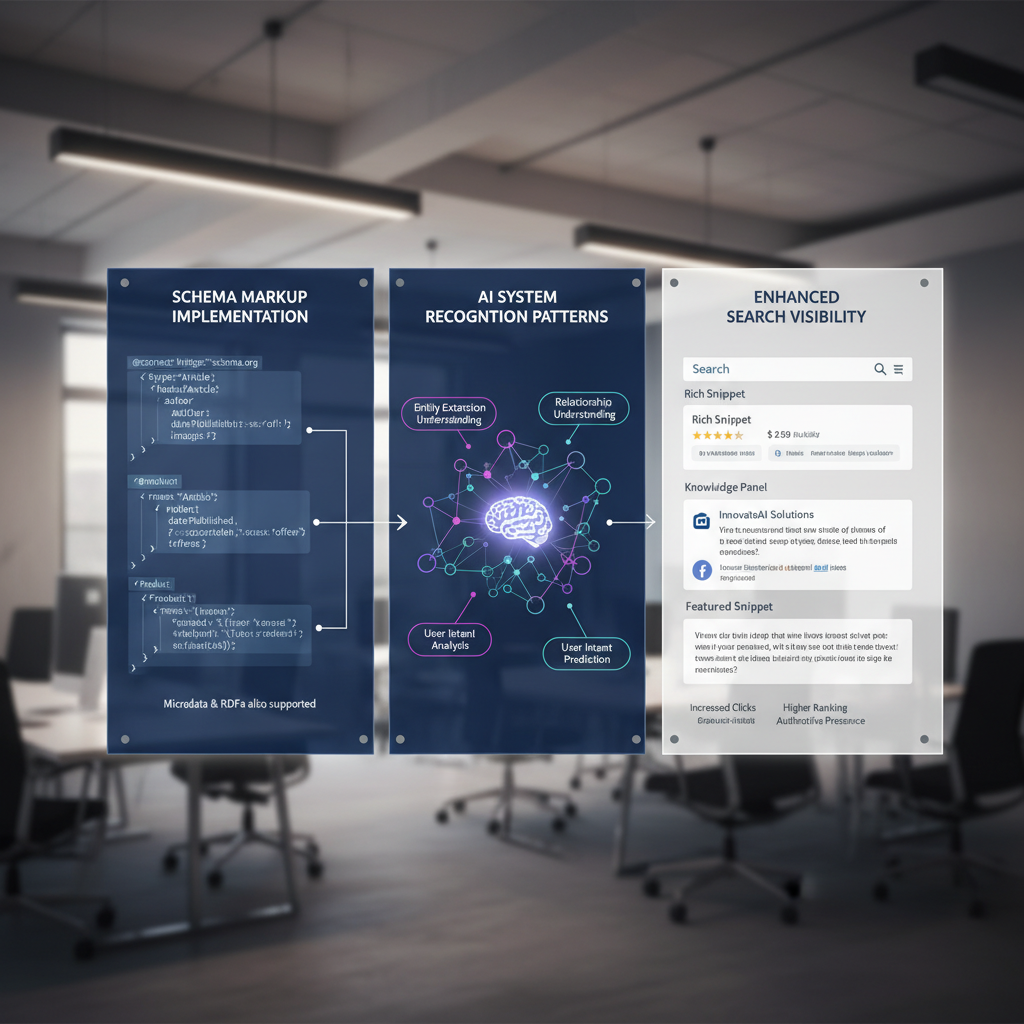
Technical optimization for brand presence in AI search involves implementing structured data, schema markup, and entity signals that help AI systems understand and categorize your content. These technical elements serve as signals that identify your brand as an authoritative source within specific domains. Critical technical optimizations include:- Schema Markup Implementation: Use organization, product, and service schemas to define your business entities
- Entity Optimization: Clearly define your brand's relationship to industry concepts and topics
- Citation Optimization: Structure internal citations and references to support content authority
- LLMs.txt Files: Implement AI-specific crawling instructions for better content discovery
Pro Tip: Implement schema markup for your brand's key entities (products, services, leadership) to help AI systems understand your authority domains and cite you appropriately in relevant contexts.
Essential AI Visibility Tracking Tools
The brand tracking landscape for AI platforms offers various tools ranging from free checkers to comprehensive enterprise platforms. Selecting the right combination depends on your business size, budget, and monitoring requirements.Free AI Visibility Tools
Several platforms offer free visibility checking capabilities that provide basic insights into your brand's AI search presence. These tools serve as starting points for understanding your current visibility status. Notable free options include:- Ahrefs AI Visibility Checker: Provides snapshots of brand mentions across AI models
- Semrush AI Search Visibility Checker: Analyzes brand positioning in AI responses
- Manual Query Testing: Direct testing across ChatGPT, Perplexity, and Claude
Premium AI Visibility Platforms
Premium platforms offer comprehensive monitoring, competitive analysis, and optimization recommendations. These tools provide the depth and consistency needed for serious optimization efforts. Leading premium platforms include specialized trackers that monitor brand mentions across multiple AI systems, track competitive positioning, and provide optimization insights. According to industry analysis, "the best AI search visibility tracking options" combine broad platform coverage with actionable optimization guidance [9]. Key features to evaluate in premium platforms:- Multi-platform Coverage: Monitoring across ChatGPT, Perplexity, Claude, and other AI systems
- Historical Tracking: Trend analysis and performance measurement over time
- Competitive Intelligence: Comparative analysis against industry competitors
- Optimization Recommendations: Actionable insights for improving visibility
- Automated Reporting: Regular updates and performance summaries
Step-by-Step Implementation Guide
Implementing effective brand presence in AI search requires a systematic approach that combines baseline measurement, optimization execution, and ongoing monitoring. This step-by-step guide provides a practical framework for establishing and maintaining strong visibility across AI platforms.Step 1: Establish Your Baseline
Begin by conducting a comprehensive assessment of your current brand presence across major AI platforms. This baseline measurement provides the foundation for tracking improvement and identifying optimization opportunities.- Identify Key Queries: List 20-30 queries relevant to your business where customers might seek AI-generated answers
- Test Across Platforms: Query each AI system (ChatGPT, Perplexity, Claude, Google AI) with your key terms
- Document Results: Record whether your brand appears, the context of mentions, and competitive presence
- Analyze Patterns: Identify topics where you have strong visibility versus gaps in coverage
Step 2: Develop Your Content Strategy
Based on your baseline assessment, create a content strategy focused on filling visibility gaps and strengthening existing coverage areas. The strategy should prioritize topics where AI systems currently lack authoritative sources. Your content development should focus on:- Authority Building: Create comprehensive guides on topics where you want to be the cited expert
- Question Answering: Develop content that directly answers common industry questions
- Data Publishing: Share original research and statistics that AI systems can cite
- Expert Commentary: Provide professional insights on industry trends and developments
Step 3: Implement Technical Optimizations
Execute the technical optimizations necessary for AI systems to properly understand and cite your content. This involves both on-page optimizations and broader technical infrastructure improvements.- Schema Markup: Implement organization, product, and service schemas across your website
- Entity Optimization: Clearly define your brand's relationship to industry concepts
- Content Structure: Format content with clear headings, definitions, and authoritative statements
- Citation Framework: Include proper citations and references to support content authority
Pro Tip: Implement changes gradually and monitor their impact on AI visibility. Some optimizations may take 2-4 weeks to reflect in AI system responses as they update their knowledge bases.
Step 4: Monitor and Optimize
Establish ongoing monitoring processes to track visibility improvements and identify new optimization opportunities. Consistent measurement enables data-driven refinement of your strategy. Set up monthly tracking that includes:- Visibility Metrics: Brand mention frequency across target queries
- Competitive Analysis: Your share of voice compared to competitors
- Content Performance: Which content pieces generate the most AI citations
- Platform Variations: Performance differences across AI systems

Common Mistakes to Avoid
Brand optimization for AI platforms involves unique challenges that differ from traditional SEO. Understanding common pitfalls helps businesses avoid wasted effort and accelerate their visibility improvements.Content-Related Mistakes
Many businesses approach AI optimization with traditional SEO mindsets, leading to content that doesn't resonate with AI systems. The most common content mistakes include:- Keyword Stuffing: AI systems prioritize natural, authoritative content over keyword-optimized text
- Shallow Coverage: Brief, surface-level content rarely earns AI citations
- Outdated Information: AI systems favor current, up-to-date sources
- Poor Source Attribution: Failing to cite authoritative sources reduces content credibility
- Generic Content: AI systems prefer unique insights and original perspectives
Technical Implementation Errors
Technical optimization mistakes can prevent AI systems from properly understanding and citing your content, regardless of content quality. Common technical errors include:- Incomplete Schema Implementation: Partial or incorrect schema markup confuses AI systems
- Poor Site Structure: Complex navigation and unclear content hierarchy
- Missing Entity Signals: Failing to clearly define your brand's expertise areas
- Inconsistent NAP Data: Name, address, and phone inconsistencies across platforms
Measurement and Tracking Errors
Ineffective measurement approaches can lead to misguided optimization efforts and missed opportunities. Key measurement mistakes include:- Single Platform Focus: Monitoring only one AI system while ignoring others
- Irregular Tracking: Inconsistent measurement that misses trends and changes
- Narrow Query Sets: Testing too few queries to understand full visibility picture
- Ignoring Context: Focusing on mention frequency without considering citation quality
Sources & References
- Harvard Business Review, "LLMs Are Overtaking Search. Here's How to Adjust Your Online Presence", 2026
- American Bar Association, "AI-Powered Search Visibility for Law Firms", March-April 2026
- Column Five Media, "AI Search Visibility: How to Measure & Optimize Performance", 2026
- SE Ranking, "AI Search Visibility Tool", 2026
- Semrush, "Free AI Brand Visibility Tool: Check Your AI Search Presence", 2026
- MarTech, "The competition for brand visibility has moved to AI search", 2026
- Ahrefs, "Free AI Visibility Checker - See Your Brand in AI Search", 2026
- HubSpot Blog, "AI search visibility: The playbook for marketers", 2026
- Rankability, "22 Best AI Search Rank Tracking & Visibility Tools (2026)", 2026
Frequently Asked Questions
1. What is AI search visibility?
AI search visibility measures how frequently and favorably your brand appears in AI-generated responses across platforms like ChatGPT, Perplexity, and Google AI Overviews. Unlike traditional search rankings, it focuses on earning citations and mentions within synthesized answers rather than achieving high page positions in search results.
2. How to be visible in AI search?
To improve brand presence in AI search, focus on creating authoritative, well-structured content that answers common industry questions. Implement schema markup, optimize your content for entity recognition, and ensure your brand consistently provides expert insights that AI systems can cite as reliable sources.
3. Which AI platforms should I monitor for visibility?
Monitor ChatGPT, Perplexity, Claude, Google AI Overviews, and Microsoft Copilot as the primary AI search platforms. Each has different algorithms and user bases, so comprehensive visibility requires optimization across multiple platforms rather than focusing on just one.
4. How long does it take to see AI visibility improvements?
Brand presence improvements in AI search typically become measurable within 2-4 weeks of implementing optimizations. However, significant visibility gains often require 2-3 months of consistent content creation and technical optimization as AI systems update their knowledge bases.
5. What's the difference between AI visibility and traditional SEO?
Traditional SEO focuses on ranking web pages high in search results, while brand presence in AI search centers on earning citations within AI-generated answers. AI systems prioritize content authority and factual accuracy over traditional ranking factors like backlinks and keyword density.
6. Can small businesses compete with large brands in AI search?
Yes, small businesses can achieve strong presence in AI search by focusing on niche expertise and providing authoritative content in specific domains. AI systems value expertise and accuracy over brand size, creating opportunities for specialized businesses to earn citations alongside larger competitors.
7. What content formats work best for AI citations?
AI systems favor comprehensive guides, FAQ sections, statistical reports, and expert commentary that provide clear, factual information. Content should include proper headings, bullet points, and authoritative statements that AI can easily extract and cite in responses.

Recommended Articles
Explore more from our content library:
- Perplexity AI SEO: Complete 2026 Guide to AI Search
- Best Automated SEO Strategies for 2026
- How to Optimize for ChatGPT: Complete 2026 Guide
- AI SEO Tools Small Business: 12 Best Solutions for 2026
- AI Search Engines Not Showing Business: 15 Fixes That Work
Ready to take your results to the next level? Discover what Moonrank can do for you and see why businesses trust us to deliver real, measurable outcomes.