Key AI SEO Automation Tool Features for a Small Business
The right AI SEO automation tool for a small business should combine four capabilities: automated content creation, technical SEO fixes, AI search...

Understanding what features should i look for in an ai seo automation tool for a small business is essential. The right AI SEO automation tool for a small business should combine four capabilities: automated content creation, technical SEO fixes, AI search visibility tracking (across ChatGPT, Gemini, Claude, and Perplexity), and easy integration with platforms like WordPress or Shopify. Prioritize tools that publish content automatically, monitor how often AI engines recommend your business, and fix structured data without manual coding. Together these replace the recurring work an agency or freelancer would otherwise bill for.
What Features Should You Look for in an AI SEO Automation Tool for a Small Business?
Group the features into three buckets: content automation, technical optimization, and AI search visibility tracking, each one replaces a task an agency or freelancer would otherwise bill for monthly.
Most small business owners asking what features they should look for in an AI SEO automation tool for a small business are asking one thing: what can I stop doing myself? The honest answer is almost everything, if the tool is built correctly. A genuinely automated product independently researches keywords, writes content, and publishes it without requiring daily involvement from the owner, rather than producing drafts that still need hours of review, formatting, and manual upload each week [3].
What Features Should Prioritize Content Automation, Technical Optimization, and AI Search Visibility?
Content automation matters most for businesses without an in-house writer, because topic generation, drafting, and publishing cadence are the three tasks that consume the most time when done manually. Small business owners handling SEO on their own typically spend six to ten hours a month on keyword research, writing, and basic optimization, and still get inconsistent results [3]. A tool that generates on-topic content daily and publishes it automatically removes that burden entirely rather than just speeding up one step of it.
Technical optimization is the second bucket, and it's the one most owners can't do themselves without hiring a developer. Look for automated schema markup, site speed flags, and broken link detection built into the tool rather than offered as a separate audit. Moonrank, for example, handles schema markup, llms.txt configuration, citation building, and structured data as part of its daily process, so a restaurant owner or Shopify store doesn't need to touch code to make their site readable to AI crawlers.
AI search visibility tracking is a distinct feature from traditional rank tracking and deserves separate evaluation. Traditional rank trackers tell you where you sit on a Google results page. AI visibility tools tell you whether ChatGPT, Gemini, Claude, and Perplexity actually mention or recommend your business when someone asks for a recommendation in your category, a different measurement entirely, since generative engines synthesize and cite sources rather than list links [2]. This category is still new enough that most incumbent SEO platforms treat it as an add-on rather than a core function [2].
How Important Is Integration With Your Existing Tech Stack?
Integration determines whether automation actually saves time or just creates another dashboard to check. A tool that can't connect to WordPress, Shopify, or the email platform you already use forces manual exporting and re-uploading, which defeats the purpose of automating in the first place. Reporting matters just as much, a non-technical owner needs plain-English summaries of what changed and why, not raw log files or jargon-heavy dashboards built for an SEO professional.
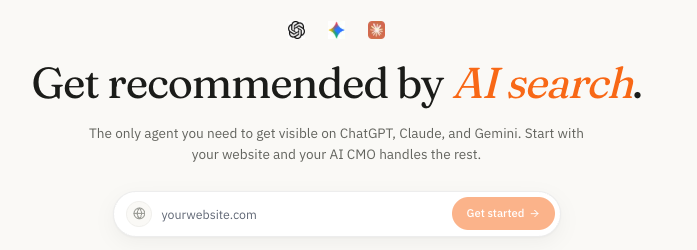
Explore how Moonrank handles all four categories at www.moonrank.ai.
How Do AI SEO Automation Tools Work to Replace Expensive Agency Services?
An AI SEO automation tool runs a continuous loop, crawl, analyze, write, publish, re-check, on its own schedule, while an agency runs the same steps manually on a monthly billing cycle.
What Does a Daily Automated SEO Workflow Look Like Compared to Traditional Agency Processes?
A typical automated system starts each day by crawling the business's site and comparing it against competitor pages and target keywords. It flags gaps, a missing product category page, thin service descriptions, outdated schema markup, and queues them for action immediately, not at the next scheduled audit.
From there, the tool drafts content based on the business's niche and keyword set, publishes it directly to the site, and re-checks technical signals like structured data and internal linking to confirm the fix landed. Moonrank's daily automated content generation follows this exact pattern: it produces and publishes SEO content every day without the business owner opening a ticket or waiting on a response.
Agencies work differently. Most operate on a monthly check-in cadence, an audit, a strategy call, a list of recommendations, with each additional change billed separately. Small business owners who try to manage this process themselves typically spend six to ten hours a month on keyword research, writing, and basic optimization, often with inconsistent results [3]. An agency doesn't eliminate that time cost; it shifts it into billable hours and a slower feedback loop, since every content change or technical fix has to pass through a request, a draft, a review round, and an invoice.
Can an AI Tool Handle Both Content Creation and Technical SEO Without Manual Intervention?
Yes, a well-built AI SEO tool handles content and technical fixes in one system, which removes the handoff delay between a copywriter and a developer. In an agency model, a writer produces a blog post, then a separate technical specialist has to implement schema markup or fix a crawl error, and each handoff adds days or weeks to the timeline.
Automated platforms close that gap by design. Moonrank, for example, pairs daily content publishing with technical AI audit work in the same workflow, schema markup, llms.txt configuration, citation building, and structured data, so content and technical signals update together instead of waiting on two separate teams. For more information, see Pro Rf Basic Tool.
This is also where the question of what features should I look for in an AI SEO automation tool for a small business becomes concrete: the priority isn't just content volume, it's whether content and technical optimization run in the same loop without a manual queue between them.
None of this removes the need for a person entirely. Brand voice review, final approval on sensitive pages, and strategic direction, which markets to prioritize, how aggressive to be with new category pages, still benefit from owner input. Automation handles the repetitive execution; judgment calls stay with the business.

What's the Real ROI of an AI SEO Tool Versus Hiring a Freelancer or Agency?
An automated tool replaces recurring hourly or retainer billing with a flat monthly fee, which is why the math tends to favor automation once you factor in the number of hours agencies bill for content and technical work.
Small business owners typically spend six to ten hours a month on keyword research, content writing, and basic optimization when they try to handle SEO themselves, and still get inconsistent results [3]. An agency charges for the time behind that work, strategists, writers, and account managers all bill hours. Automation software charges for usage, not labor, which is the core reason the pricing tier shifts from premium down to budget-friendly or mid-range.
How Much Can a Small Business Actually Save by Automating SEO Instead of Outsourcing?
Agencies price around human time: strategy calls, content revisions, monthly reporting decks. Every one of those activities adds billable hours regardless of whether the content actually moves rankings or AI citations. An automated platform skips the calls and the decks and spends its budget on generating and publishing content and fixing technical issues directly.
That's the structural reason answering "what features should i look for in an ai seo automation tool for a small business" matters more than comparing sticker prices. A tool that automates keyword research, daily publishing, and technical fixes, schema markup, llms.txt, structured data, is replacing three line items an agency would bill separately. Moonrank, for example, bundles AI search visibility tracking, daily content generation, and technical optimization into one subscription, which is the kind of consolidation that turns a premium-tier agency retainer into a budget-friendly monthly cost.
What Metrics Should You Track to Prove an AI SEO Tool Is Delivering Value?
Track organic traffic growth, the number of times your brand is cited or recommended inside ChatGPT, Gemini, Claude, and Perplexity, indexed page count, time-to-publish for new content, and technical issues resolved per month. These five numbers tell you whether the tool is actually working or just producing activity.
- Organic traffic growth, the baseline signal, measured against your own historical trend, not a competitor's.
- AI engine citations, how often your business shows up when someone asks an AI engine for a recommendation in your category.
- Indexed pages, confirms new content is actually being crawled and accepted, not just published.
- Time-to-publish, how fast content goes live after a topic is identified, a direct measure of automation versus manual bottlenecks.
- Technical issues resolved, schema errors, missing structured data, broken citations fixed per month.
Judge these over a measurement window of several months, not a single billing cycle. Content and technical fixes compound, an indexed page from month one keeps generating citations in month four, which is why a one-month snapshot undersells what automation is actually doing.
How Quickly Will an AI SEO Automation Tool Show Measurable Results?
Expect technical improvements within two to three weeks, early content traction by week six, and meaningful ranking or AI citation movement between weeks eight and twelve.
Automation changes what gets done, not how fast search engines and AI models process it. Schema markup, site speed fixes, and crawlability repairs tend to show up in Google Search Console data quickly because they're structural, a search engine can re-crawl a page and register the fix within days. Rankings move slower because they depend on accumulated signals: content depth, backlinks, user engagement, and how often an AI model's retrieval system encounters and trusts your pages over time. This is one reason the question of this strategy matters so much upfront, tools that only touch content, without fixing the technical layer underneath, leave the faster wins on the table entirely.
What's a Realistic Timeline Before You See Ranking Improvements and Traffic Gains?
Most small businesses should budget 60 to 90 days before ranking and AI citation changes become visible, and longer in competitive categories. A B2B SaaS company competing for terms like "endpoint security software" or a cybersecurity vendor targeting enterprise buyers faces entrenched competitors with years of backlinks and content depth, so meaningful movement often takes longer than 90 days. A boutique hotel competing for a city-specific search term faces far less competition and can see AI engines start citing it sooner, since there are simply fewer established pages to outrank.
What Does the First 90 Days of Implementation Typically Look Like?
Weeks one and two are technical: an audit of schema markup, llms.txt configuration, site speed, and a review of existing content for gaps or outdated information. Weeks three through six typically bring the first batch of automated content live on the site, targeting the keywords identified during onboarding. Weeks six through twelve are when early signals appear, Search Console shows impressions climbing, and AI search engines begin indexing and occasionally citing the new pages.
Patience still matters because re-indexing isn't instant. Search engines and AI models crawl on their own schedules, and trust signals, citations, consistent publishing, structured data, compound rather than spike. Moonrank's daily publishing cadence and technical optimization are built to shorten that compounding period, but no automation tool can force a crawler to visit faster than it's scheduled to [3].
How Do You Match an AI SEO Tool to Your Small Business's Needs and Budget?
Match the tool to your business type first, then your content volume, then your budget tier, in that order, not the reverse.
The honest answer to this approach depends heavily on what you sell and how customers find you. An ecommerce store and a cyber security firm are optimizing for completely different buyer behavior, and a tool built around one won't automatically serve the other.
How Do Leading AI SEO Tools Compare on Features and Ease of Use?
Skip the side-by-side feature checklist. Most AI SEO tools list dozens of capabilities, but the ones that matter cluster into four categories: content automation depth, technical automation depth, AI visibility tracking, and integration breadth [4]. Score any tool you're considering against those four buckets instead of counting bullet points.
Business type changes which bucket matters most. An ecommerce store needs content automation that handles product-page and category-level content at scale, hundreds of SKUs need unique, structured descriptions, not a dozen blog posts. A B2B SaaS company needs long-form authority content that builds topical depth over months, since buyers research extensively before a demo call. A cyber security company needs trust-and-credibility signals above almost everything else, schema markup, citations, and structured data that help AI engines verify legitimacy before recommending a vendor handling sensitive data. A boutique hotel needs local and booking-intent content: neighborhood guides, "best hotels near X" coverage, and availability-aware messaging that matches how travelers phrase AI search queries.
Technical automation depth, schema markup, llms.txt configuration, structured data, tends to get undersold relative to content volume, but AI engines won't surface content they can't parse and trust regardless of how much you publish [2].
What Do Small Business Examples Reveal About Which Features Actually Drive Results?
Case studies reveal which feature actually moved the needle, something a feature list never shows. One cited example paired a CRM platform with an AI visibility monitoring layer and reported measurable gains in branded AI mentions after addressing specific citation gaps [2], a result that traces back to one feature category, not the whole product.
Budget tier should follow need, not the reverse. A single-site business with modest content needs can start budget-friendly. A growing catalog or content calendar justifies mid-range tools with deeper automation. Multi-location or multi-brand businesses, a hotel group or a franchise operation, usually need premium or enterprise-tier tools with broader integration support. Moonrank fits the budget-friendly end of this spectrum at $99/month, built specifically for businesses that can't justify a $3,000+/month agency retainer but still need daily content, technical optimization, and visibility tracking across ChatGPT, Gemini, Claude, and Perplexity running on autopilot.

Frequently Asked Questions
Do I need technical SEO knowledge to use an AI SEO automation tool?
No, a genuinely automated tool handles the technical work for you, including schema markup and structured data. Moonrank, for example, implements technical fixes like llms.txt configuration and citation building automatically, so a restaurant owner or Shopify founder never has to edit code or learn SEO terminology.
Can an AI SEO tool work alongside my existing content team instead of replacing it?
Yes, many small businesses run automation for baseline publishing while their team focuses on higher-value content like case studies or product launches. The tool covers daily output and technical maintenance, freeing your team's time for work that needs a human voice or deep product knowledge.
Will an AI SEO tool help my business get recommended by ChatGPT and other AI engines, not just rank on Google?
Only if the tool is built specifically for AI search visibility, not traditional Google ranking with AI features added on. Platforms built around keyword rank and backlinks were not designed to track how ChatGPT, Gemini, Claude, or Perplexity cite and recommend brands [2]. Moonrank tracks and optimizes for that distinction directly, monitoring visibility across all four engines rather than treating them as an afterthought.
How many pieces of content should a small business publish per month using automation?
Daily publishing tends to outperform sporadic batches, since consistency helps both search crawlers and AI retrieval systems recognize a site as active and authoritative. Business owners handling SEO manually typically spend six to ten hours a month on it and still see inconsistent results [3], which is the gap daily automation is meant to close.
Conclusion
The features that matter most are the ones that remove your involvement entirely: daily publishing without review queues, technical fixes like schema markup and llms.txt applied automatically, and visibility tracking across ChatGPT, Gemini, Claude, and Perplexity rather than Google alone. Anything that still requires you to approve drafts or choose keywords each week is a faster manual process, not automation [3].
Before committing to a tool, ask for a straight answer about what runs without you after setup. If you want to see this standard in action, start a trial at www.moonrank.ai and watch what publishes on autopilot in the first 72 hours.
Sources & References
- How do you rank in AI? Top AI Visibility Tools Overview
- How to Choose the Best Automated SEO Tools for Small Business in 2026 - Evergreen AI | Evergreen AI
- The 7 best SEO automation tools we're using in 2026 | eesel AI
Recommended Articles
Explore more from our content library: